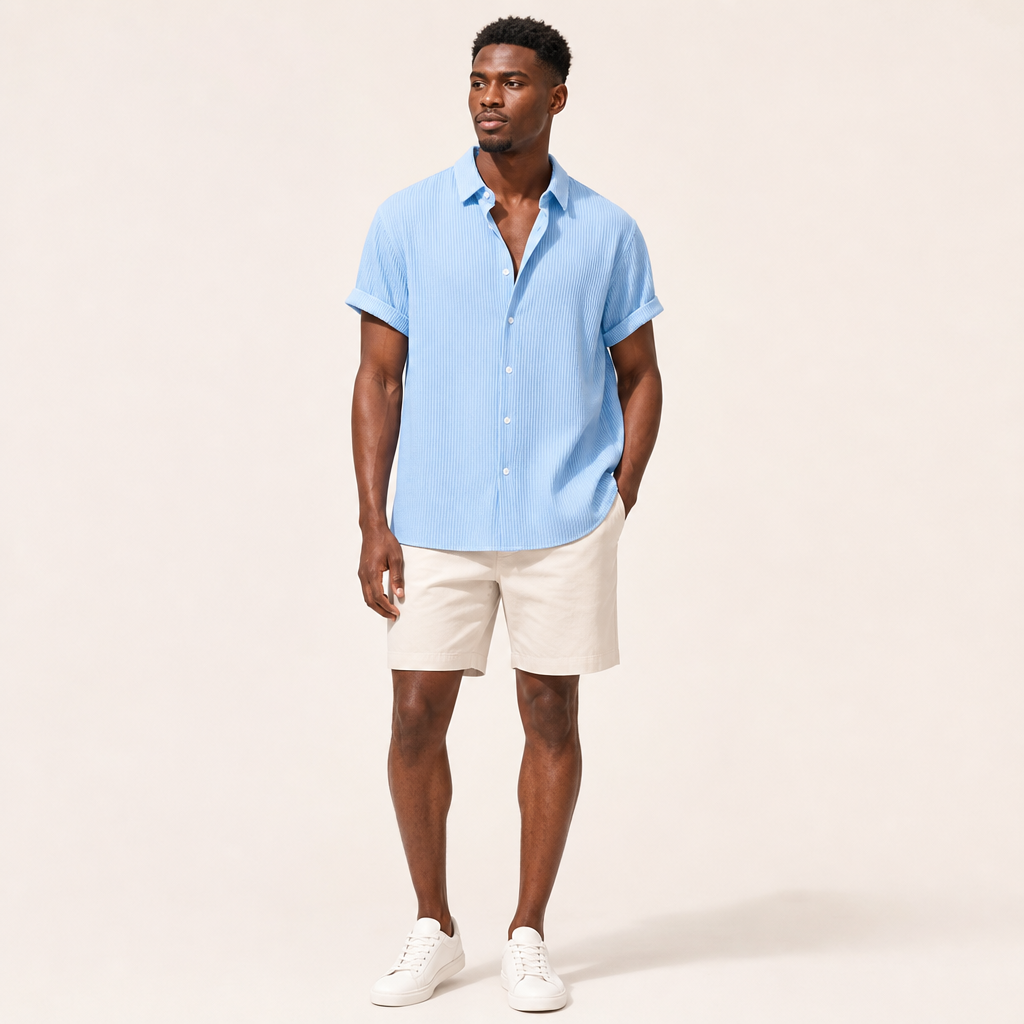
Relevant products from Franks Clothing


Capsule dressing is a compatibility exercise. For build a relaxed-fit wardrobe around jackets and outerwear, choose a small number of shapes and colours, then make sure every new addition works with more than one of them.
For this guide, build a relaxed-fit wardrobe around jackets and outerwear means prioritising fit, wardrobe compatibility and repeat wear before novelty. That keeps the advice useful even when individual products or options change.
Build a relaxed-fit wardrobe around jackets and outerwear: choose the anchor pieces
A relaxed-fit outerwear capsule benefits from one shorter layer and one longer or roomier layer, each able to work over a tee and a knit without fighting the shoulder line. Start with the jackets and outerwear you already wear most, then identify the silhouettes and colours that repeatedly work around them.
Give each piece around jackets and outerwear more than one job
- A top should work with at least two bottoms or one bottom plus a layer.
- A layer should fit over at least two base combinations.
- Footwear should suit more than one hem or leg shape.
- A new purchase should improve an existing formula, not create a separate mini-wardrobe.
Plan a five-day rotation around jackets and outerwear
- Day one: the easiest neutral combination.
- Day two: swap the top but keep the same silhouette.
- Day three: change the bottom or main shape.
- Day four: add the statement colour or graphic.
- Day five: repeat the strongest formula with different footwear or outerwear.
If the same piece appears several times without feeling forced, it is doing useful capsule work.
How to add one new piece without breaking the capsule
Use the Franks size guide and product-specific information to confirm fit, then run the new item through your existing outfit formulas. If it only works with one combination, it may be a special piece rather than a capsule piece, which is fine as long as that is intentional.
Use a controlled palette, not a colour uniform
Earth-tone outerwear can bridge denim, black, cream and muted graphics; olive, brown, stone and rust work particularly well as the largest colour block in an outfit. Choose two or three dependable neutrals, then add one or two accent colours you already enjoy wearing.
The goal is not for everything to match. It is for enough pieces to share a common colour language that getting dressed becomes easier.
Limit the number of competing silhouettes
Pick two core proportions for jackets and outerwear, then build tops and layers around them. An outer layer sits on top of the outfit, so shoulder fit, layering room, closure and hem length affect both comfort and proportion. Too many unrelated shapes can make a small capsule feel less versatile, not more.
Create one fitted-to-relaxed and one relaxed-to-clean formula
For example: short jacket + wide-leg trousers + simple top. Then create contrast with longer outer layer + straight jeans + compact knit. These two directions are enough to stop the capsule feeling repetitive.
Finish with a repeat-wear check
Take one final look at the silhouette, then at the wardrobe around it. If the piece gives you a clear new combination without duplicating what you already own, it has a useful role. If not, keeping the gap open is often the better choice.
Frequently asked questions
How many jackets and outerwear do I need in a capsule wardrobe?
There is no fixed number. Start with the few pieces you genuinely repeat and add only when a new item creates several useful combinations rather than one isolated outfit.
What makes jackets and outerwear capsule-friendly?
They should share colours and proportions with several pieces you already own, fit your real routine and be easy to restyle across more than one outfit formula.
Can a statement jacket or outer layer still belong in a capsule?
Yes. A statement piece can work if the surrounding wardrobe is simple enough to support it and the item still combines with multiple existing pieces.