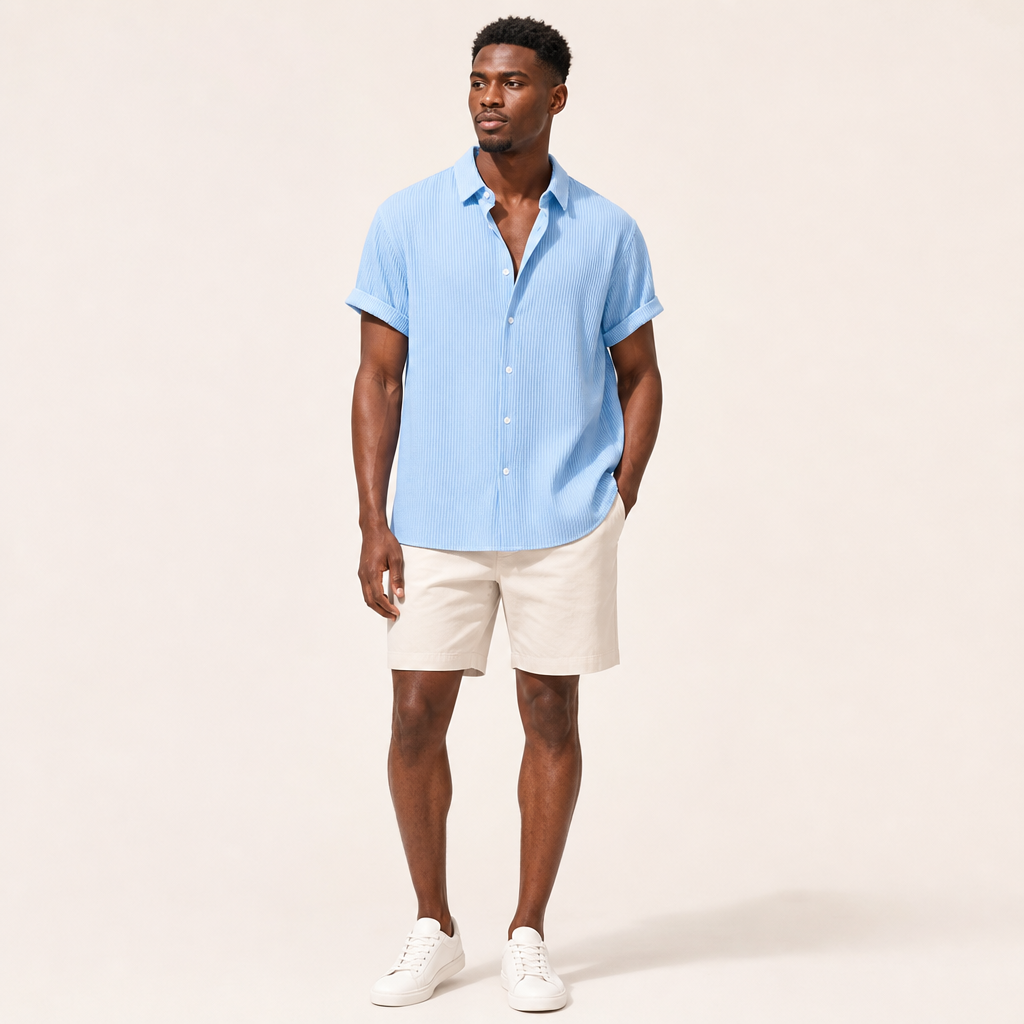
Relevant products from Franks Clothing

Women's Floral V-Neck Puff Sleeve Elastic Waist Mini Dress


A wardrobe feels coherent when different pieces can share the same outfit partners. This build a smart-casual wardrobe around dresses guide builds that overlap deliberately so fewer items create more combinations.
In practical terms, build a smart-casual wardrobe around dresses is about choosing a piece that fits your routine as well as your preferred look. A dress creates most of the outfit in one piece, which makes neckline, waist position, hem and layering potential especially important, so start with the job it needs to do and work outward from there.
Build a smart-casual wardrobe around dresses: choose the anchor pieces
A smart-casual dress capsule is strongest when each dress can move between trainers, flats or smarter footwear and can take at least one knit or jacket you already own. Start with the dresses you already wear most, then identify the silhouettes and colours that repeatedly work around them.
Give each piece around dresses more than one job
- A top should work with at least two bottoms or one bottom plus a layer.
- A layer should fit over at least two base combinations.
- Footwear should suit more than one hem or leg shape.
- A new purchase should improve an existing formula, not create a separate mini-wardrobe.
How to add one new piece without breaking the capsule
Use the Franks size guide and product-specific information to confirm fit, then run the new item through your existing outfit formulas. If it only works with one combination, it may be a special piece rather than a capsule piece, which is fine as long as that is intentional.
Use a controlled palette, not a colour uniform
Neutral dresses can be treated as a blank base: change the mood with texture, footwear and one colour accent rather than adding several competing accessories. Choose two or three dependable neutrals, then add one or two accent colours you already enjoy wearing.
The goal is not for everything to match. It is for enough pieces to share a common colour language that getting dressed becomes easier.
Limit the number of competing silhouettes
Pick two core proportions for dresses, then build tops and layers around them. A dress creates most of the outfit in one piece, which makes neckline, waist position, hem and layering potential especially important. Too many unrelated shapes can make a small capsule feel less versatile, not more.
Create one fitted-to-relaxed and one relaxed-to-clean formula
For example: midi dress + light outer layer + low-profile shoes. Then create contrast with mini dress + simple knit or jacket + grounded footwear. These two directions are enough to stop the capsule feeling repetitive.
Plan a five-day rotation around dresses
- Day one: the easiest neutral combination.
- Day two: swap the top but keep the same silhouette.
- Day three: change the bottom or main shape.
- Day four: add the statement colour or graphic.
- Day five: repeat the strongest formula with different footwear or outerwear.
If the same piece appears several times without feeling forced, it is doing useful capsule work.
Make dresses earn their place in your rotation
Before buying, name the first three times you expect to wear the piece and what you will pair it with. If those answers are specific, the fit works and the current product information supports the choice, you have a stronger reason to add it than simple novelty.
Frequently asked questions
How many dresses do I need in a capsule wardrobe?
There is no fixed number. Start with the few pieces you genuinely repeat and add only when a new item creates several useful combinations rather than one isolated outfit.
What makes dresses capsule-friendly?
They should share colours and proportions with several pieces you already own, fit your real routine and be easy to restyle across more than one outfit formula.
Can a statement dress still belong in a capsule?
Yes. A statement piece can work if the surrounding wardrobe is simple enough to support it and the item still combines with multiple existing pieces.