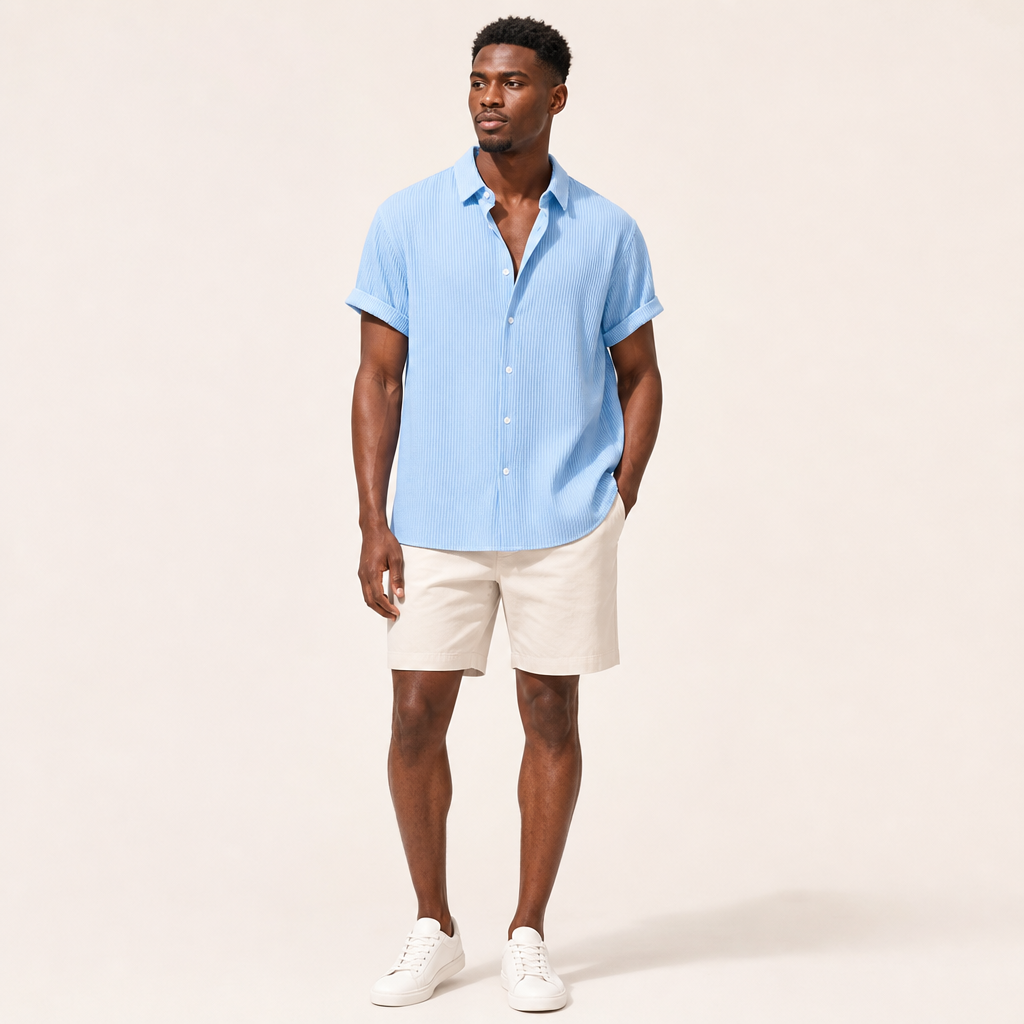
Relevant products from Franks Clothing

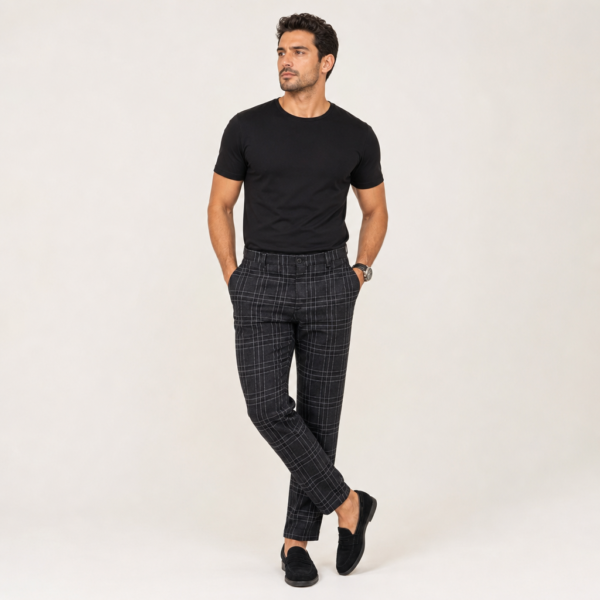
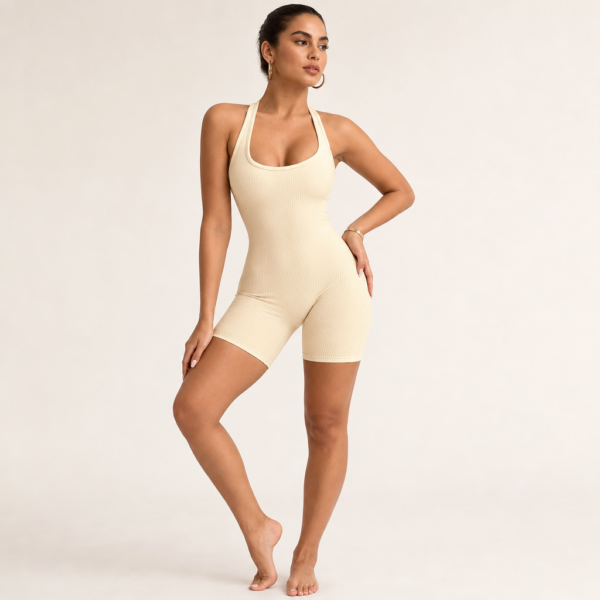
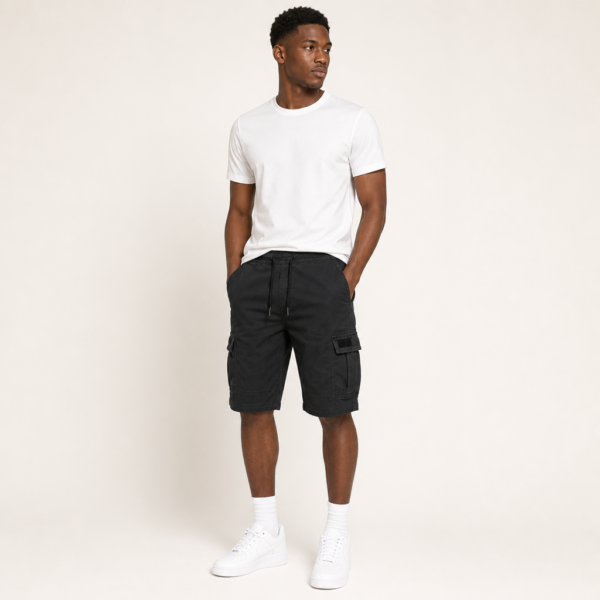
Before shopping for choosing accessories for a smart casual look, picture three complete outfits rather than one idealised look. If the same accessory makes sense across all three, it has a stronger case for your wardrobe, especially around smart casual.
Choosing Accessories for a Smart Casual Look: the decision to make first
Start by deciding what the accessory must contribute to this specific outfit: practical function, a colour link, extra structure or a focal point. For choosing accessories for a smart casual look, that role is more useful than choosing by trend name alone because it gives you something concrete to compare across live product pages.
Buy for the proportion you wear most
For choosing accessories for a smart casual look, do not choose an accessory solely because it works with one experimental outfit. Compare it with three smart casual combinations you already repeat or can build from existing clothes. Consistent scale and placement across those looks is a stronger fit signal.
Adjustability matters when fit is indirect
In choosing accessories for a smart casual look, fit includes placement as well as literal size. Strap length, belt position, hat depth, scarf volume and where a bag lands on the body can all change the smart casual proportion. Read dimensions and adjustment details on the live product page where they are supplied.
Translate smart casual into proportions
For smart casual, the key is controlled structure. Use clean shapes, restrained colour and one polished-looking focal detail. This turns a vague aesthetic into something measurable enough to judge beside your shoulder width, trouser volume, coat length and footwear.
Check the accessory against your largest garment
Try the piece mentally or physically with the coat, jacket or knit that creates the most volume in your regular wardrobe. An accessory that looks balanced with a thin top can disappear or become awkward once a substantial layer is added. The main caution is to avoid accessories that compete with both tailoring and footwear at the same time.
Use the mirror test from two distances
First look close enough to judge detail, then step back far enough to see the whole silhouette. For smart casual, the second view is usually more revealing because it shows whether the accessory balances the outfit or pulls attention to the wrong place.
Finish by removing one element from the styled outfit. If the accessory still has a clear purpose, choosing accessories for a smart casual look is working as wardrobe advice rather than decoration for a single look.
Frequently asked questions
How do I choose accessory scale for a smart casual look?
Judge it against your largest regular garment and your footwear. The accessory should either balance that volume or create a deliberate contrast.
What does fit mean for accessories in choosing accessories for a smart casual look?
It includes scale and placement as well as literal size. Strap length, belt position, hat depth and where a bag sits can all change outfit proportion.
Is adjustable always better for choosing accessories for a smart casual look?
Not automatically, but adjustability can make placement easier to fine-tune. Check the live product details for the actual adjustment range where supplied.