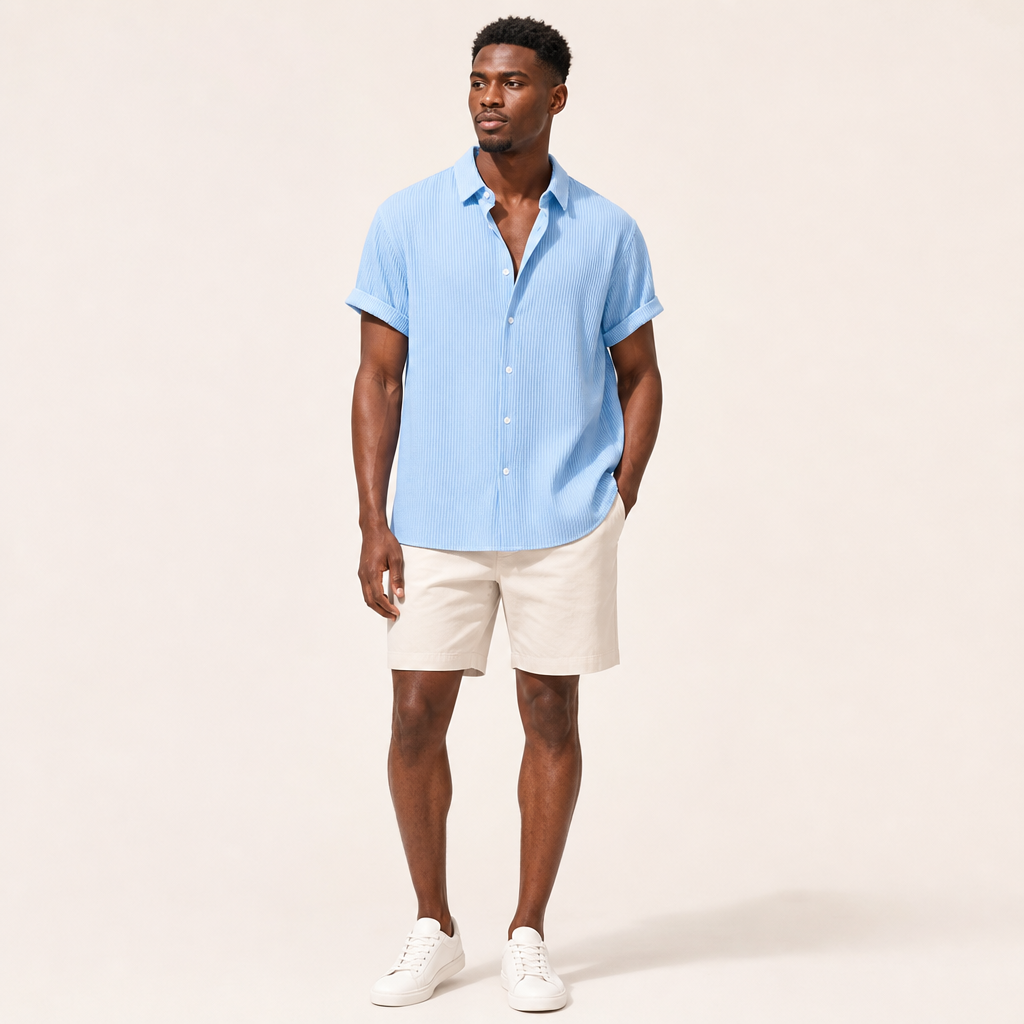
Relevant products from Franks Clothing


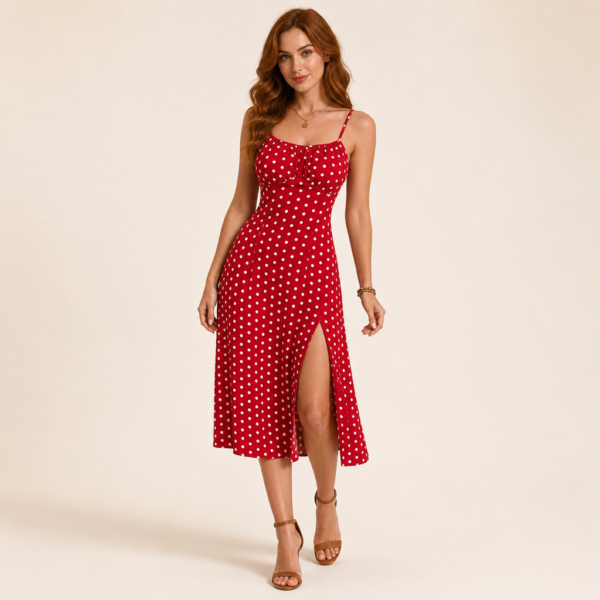
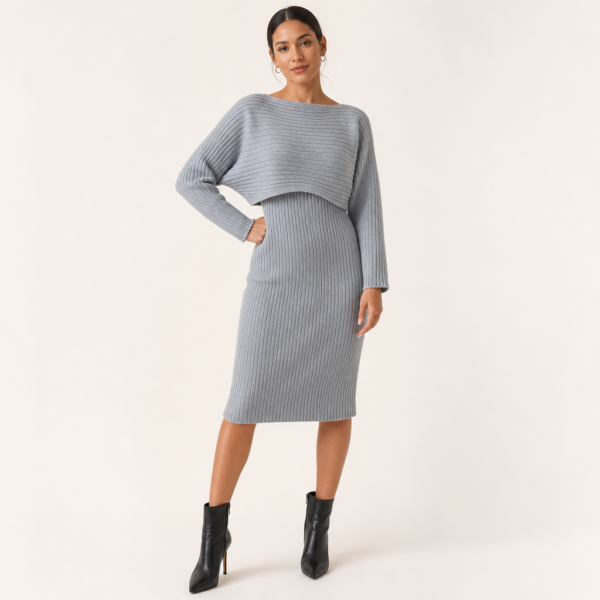
Choosing dresses online becomes more predictable when you separate size from intended shape. Use this dresses fit guide what to look for to decide whether you want fitted, regular, relaxed or deliberately oversized proportions.
In practical terms, dresses fit guide what to look for is about choosing a piece that fits your routine as well as your preferred look. A dress creates most of the outfit in one piece, which makes neckline, waist position, hem and layering potential especially important, so start with the job it needs to do and work outward from there.
Dresses fit guide what to look for: measure what controls the silhouette
Compare bust, waist and length information with a dress you already like. Product-specific guidance matters because two dresses in the same labelled size can have very different intended silhouettes. Do not stretch the comparison garment when measuring it, and use a piece that fits the way you actually want this new one to fit.
Key fit checkpoints for dresses
- Whether the neckline suits the layers you own.
- Where the waist seam or shaping sits on you.
- Whether the hem length works with your usual footwear.
- Whether you can move, sit and layer comfortably.
Separate labelled size from intended shape
Regular, relaxed and oversized describe different proportions, not simply larger or smaller versions of the same garment. Decide what shape you want first, then use the available measurements and fit notes to choose the size that best creates it.
Do not size up automatically
The live Franks size guide specifically notes that oversized pieces are intentionally wider and that shoppers should not automatically size up unless the product notes recommend it.
Fit-test dresses for movement, not just a mirror
Because a dress creates most of the outfit in one piece, which makes neckline, waist position, hem and layering potential especially important, a static front view can miss important issues. Sit, walk, raise your arms or take a normal stride as relevant to the garment. Comfort should hold during the actions you actually do.
Also check whether pockets, seams, waistbands, hoods or hems shift in a way that changes the silhouette when you move.
Check fit against the rest of the outfit
Try the intended proportion using a formula such as midi dress + light outer layer + low-profile shoes. A garment can technically fit and still feel wrong if its length or volume clashes with the pieces you usually wear.
- Compare hem positions.
- Check where the largest volume sits.
- Test the footwear you plan to wear most often.
- Add the layer you expect to use in cooler weather.
Before ordering dresses online
Use the product-specific information as the final reference. If a measurement you need is not shown, the Franks size guide advises contacting the store with the product and option you are considering rather than guessing.
Finish with a repeat-wear check
Take one final look at the silhouette, then at the wardrobe around it. If the piece gives you a clear new combination without duplicating what you already own, it has a useful role. If not, keeping the gap open is often the better choice.
Frequently asked questions
Which measurements matter most for dresses?
The key checks are neckline placement, shoulder or strap position, bust room, waist placement, hip ease and hem length. Compare the relevant measurements with a similar item you already like.
Should I size up to get an oversized fit in dresses?
Not automatically. An item described as oversized may already include extra width. Follow the product-specific fit notes and measurements before changing size.
What if a Franks product does not show the measurement I need for dresses?
The Franks size guide advises contacting the store with the product and option you are considering rather than guessing.