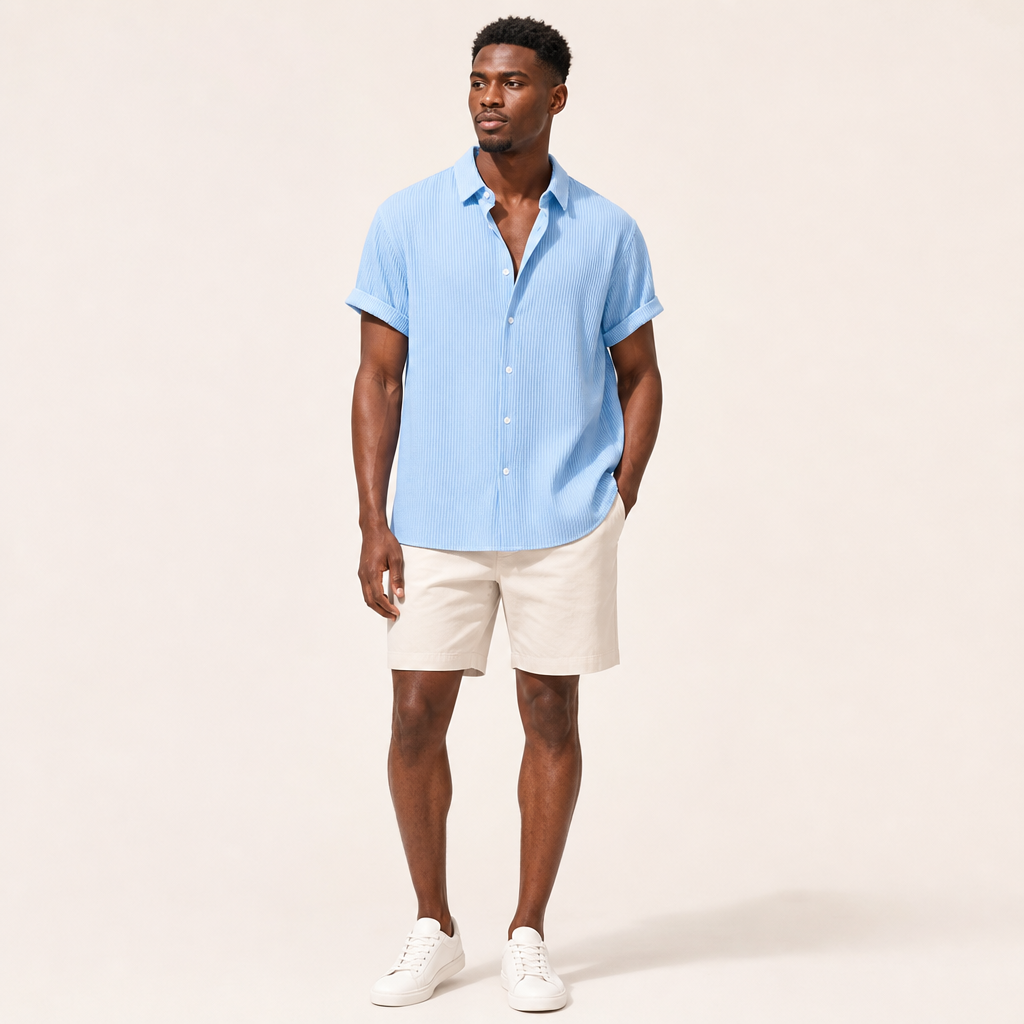
Relevant products from Franks Clothing


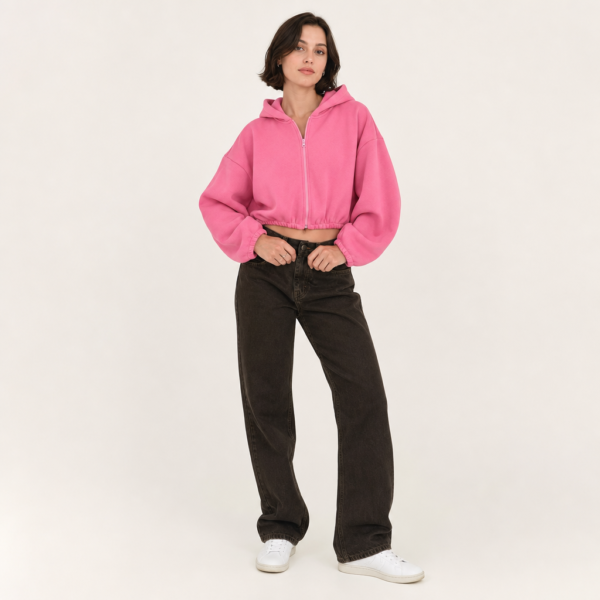
The shift into autumn is less about changing every piece and more about adding depth. For hoodies and sweatshirts outfit ideas for autumn, start with a familiar base outfit, then adjust texture, coverage and colour one decision at a time.
In practical terms, hoodies and sweatshirts outfit ideas for autumn is about choosing a piece that fits your routine as well as your preferred look. Hoodies and sweatshirts cover a wider family of casual layers, from hooded pullovers and zip styles to crewnecks, so neckline and layering use matter as much as overall size, so start with the job it needs to do and work outward from there.
Hoodies and sweatshirts outfit ideas for autumn: start with the base
Alternate hooded and non-hooded layers depending on the jacket collar and weather; a crewneck can sit more cleanly under structured outerwear. Choose the base layer and hoodies and sweatshirts first, then add only the coverage the weather needs.
Build the first autumn look around hoodies and sweatshirts
Start with: crewneck sweatshirt + wide-leg trousers + simple footwear. Keep colours controlled, then add one autumn layer. The aim is to preserve the original proportion when the extra layer goes on.
Autumn colour pairings that keep hoodies and sweatshirts wearable
Neutral hoodies and sweatshirts earn repeat wear because they can sit between patterned bottoms, graphic tees and outerwear without adding another competing element. Use one darker or richer tone as the seasonal cue, then keep the other large areas of the outfit neutral.
- Repeat one colour once, rather than matching every element.
- Use footwear to ground a busy or wide silhouette.
- Let texture add depth when the colour palette is simple.
Rotate hoodies and sweatshirts through three autumn formulas
- Crewneck sweatshirt + wide-leg trousers + simple footwear, then add a weather-appropriate layer.
- Zip hoodie + tee + straight jeans, then add a weather-appropriate layer.
- Relaxed sweatshirt + cargos + compact jacket, then add a weather-appropriate layer.
The value of a formula is repetition. Once you know one proportion works, swap only the top, layer or footwear and keep the rest stable.
Check fit before building more outfits
Use chest width and body length for both hoodies and sweatshirts, then check hood or neckline notes and sleeve shape. Product-specific guidance on Franks should override generic assumptions. Use the Franks size guide as a general measurement reference, then prioritise any product-specific notes shown on the live page.
An autumn outfit often contains more layers than a summer one, so test whether there is enough room where garments overlap without assuming that sizing up is always the answer.
Layer without losing the shape of the outfit
Layering works when every hem has a reason. A short outer layer can emphasise the waist or top of the leg, while a longer layer creates a continuous vertical line. With hoodies and sweatshirts, check how the layer ends against the item’s main silhouette.
Use temperature changes as a styling test
If you remove the outer layer indoors, the outfit underneath should still feel complete. That is a better test of a practical autumn look than judging the fully layered version alone.
Finish with a repeat-wear check
Take one final look at the silhouette, then at the wardrobe around it. If the piece gives you a clear new combination without duplicating what you already own, it has a useful role. If not, keeping the gap open is often the better choice.
Frequently asked questions
What is the easiest way to style hoodies and sweatshirts in autumn?
Start with a simple base outfit, add one weather-appropriate layer and keep the colour palette controlled. Make sure the outfit still works when the outer layer comes off.
How do I stop an autumn outfit with hoodies and sweatshirts looking bulky?
Put the main volume in one area, then use a cleaner shape elsewhere. Check where hems meet and whether the outer layer preserves the base silhouette.
Which colours make hoodies and sweatshirts easier to repeat in autumn?
Neutrals and muted seasonal tones are usually easy to rotate. Rather than exact matching, repeat one colour once and let the remaining pieces act as quiet support.