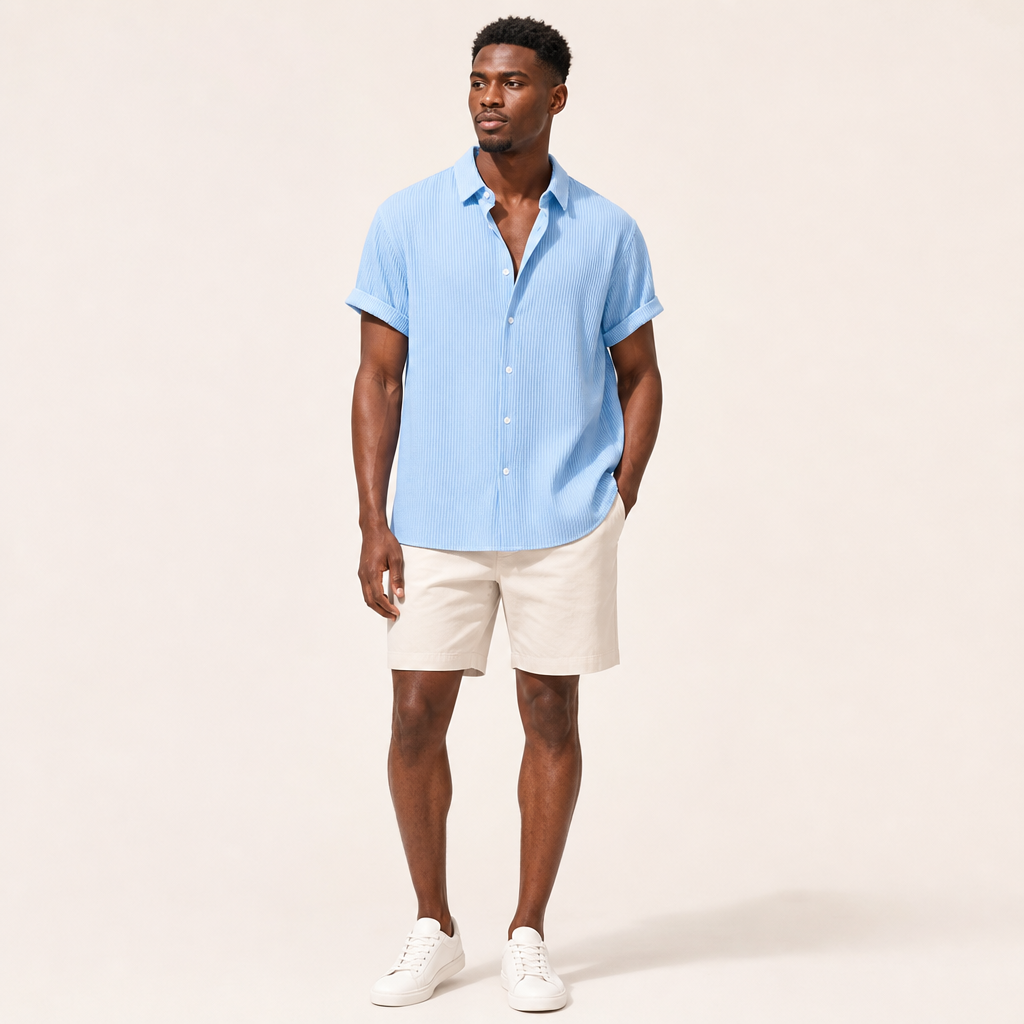
Relevant products from Franks Clothing


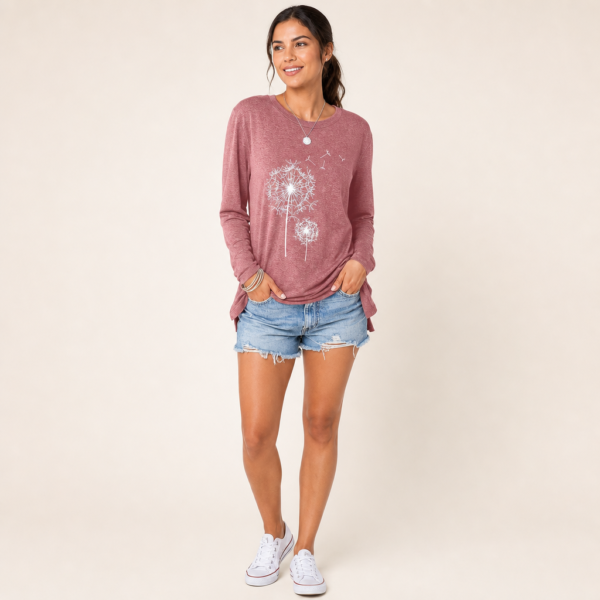

Online shopping is much easier when you know what to compare. For how to choose dresses you will actually wear, focus on silhouette, measurements, outfit compatibility and the specific role the piece will play.
In practical terms, how to choose dresses you will actually wear is about choosing a piece that fits your routine as well as your preferred look. A dress creates most of the outfit in one piece, which makes neckline, waist position, hem and layering potential especially important, so start with the job it needs to do and work outward from there.
How to choose dresses you will actually wear starts with a wardrobe job
A dress creates most of the outfit in one piece, which makes neckline, waist position, hem and layering potential especially important. Write down the gap you are filling in one sentence, for example: ‘I need a piece that works with my two most-worn bottoms and one jacket.’ A specific job makes comparison much easier.
Score potential dresses against real outfits
- Can I wear it with midi dress + light outer layer + low-profile shoes?
- Does it also work in a second formula such as mini dress + simple knit or jacket + grounded footwear?
- Would I choose it on a normal weekday, not only for a styled photo?
Buy for the intended fit, not the size label
Compare bust, waist and length information with a dress you already like. Product-specific guidance matters because two dresses in the same labelled size can have very different intended silhouettes. The Franks size guide also advises against automatically sizing up for an oversized look unless the product guidance supports that choice.
Compare a garment you already trust
Lay a similar piece flat and note the measurements that control the silhouette. That creates a personal reference point and is usually more useful than trying to translate a size label in isolation.
Check colour and proportion against what you own
Neutral dresses can be treated as a blank base: change the mood with texture, footwear and one colour accent rather than adding several competing accessories. A versatile new piece should not require three extra purchases before it feels wearable.
Open your wardrobe before checkout. Identify the exact top, bottom, layer and footwear combinations you would use. If the list is vague, the product may be solving an imagined gap rather than a real one.
Read the live product page like a buyer
- Check all product images, not only the first one.
- Read product-specific fit or measurement information.
- Confirm the option you want is currently available.
- Check the current price at the point of purchase.
This is especially important with online shopping because current options and availability can change after an article is published.
Use a 24-hour wardrobe test for dresses
Instead of asking whether you like the item, ask whether you can name when you would wear it next. If the answer is clear and the fit checks work, the piece has a stronger case for repeat wear. If not, keep comparing the live product pages rather than forcing the purchase.
Keep the final decision practical
Good wardrobe decisions become easier when you separate preference from practicality. You can still choose a statement piece, but do it knowingly: understand the fit, know the outfits it supports and accept whether it will be an everyday item or an occasional one.
Frequently asked questions
How do I know if I will actually wear new dresses?
Name at least three real outfits and the next situation in which you would wear the piece. If you need several extra purchases first, it may not fill a genuine wardrobe gap.
What should I check on a dresses product page before buying?
Check the full image set, product-specific fit or measurements, current option availability and current price. Those details can change and should be verified at checkout.
Is a size label enough to choose dresses online?
No. Compare the measurements and intended fit with a similar garment you already like. Different products can fit differently even when the labelled size is the same.