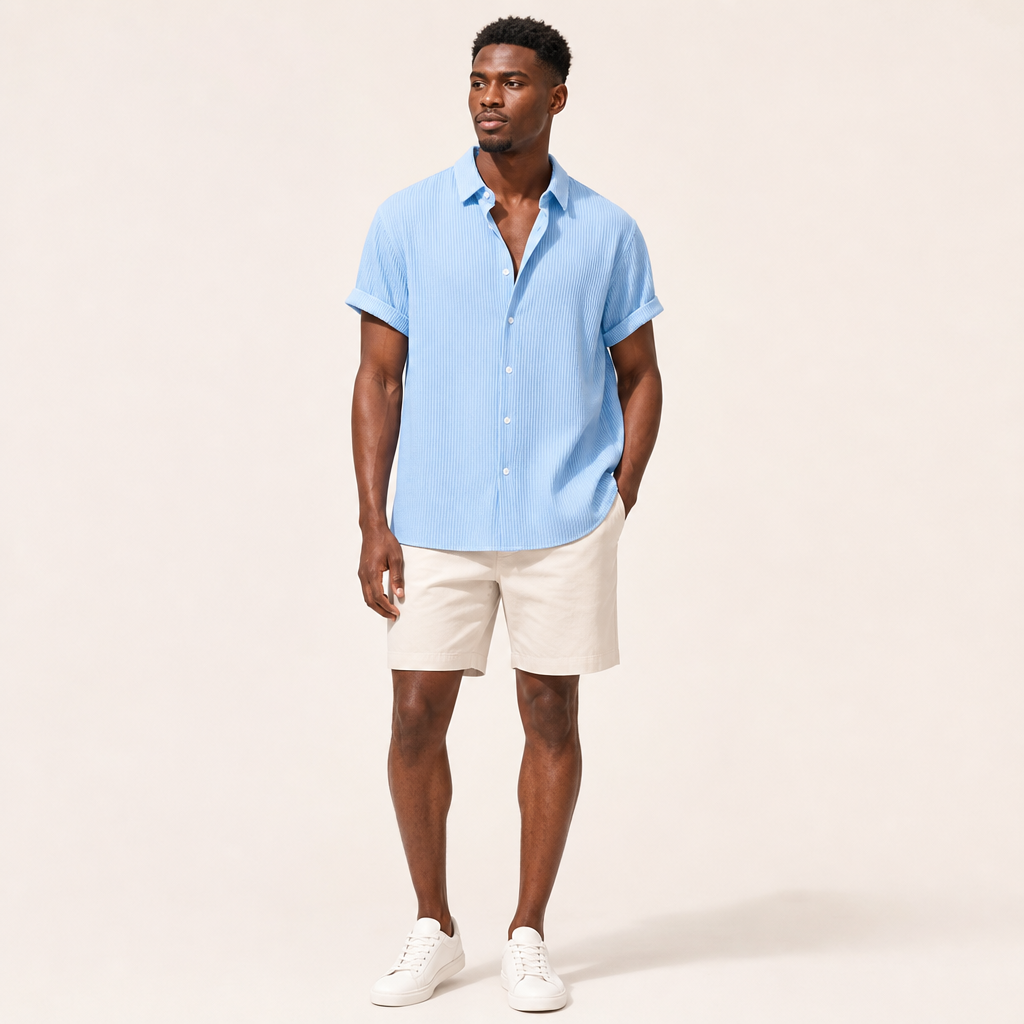
Relevant products from Franks Clothing


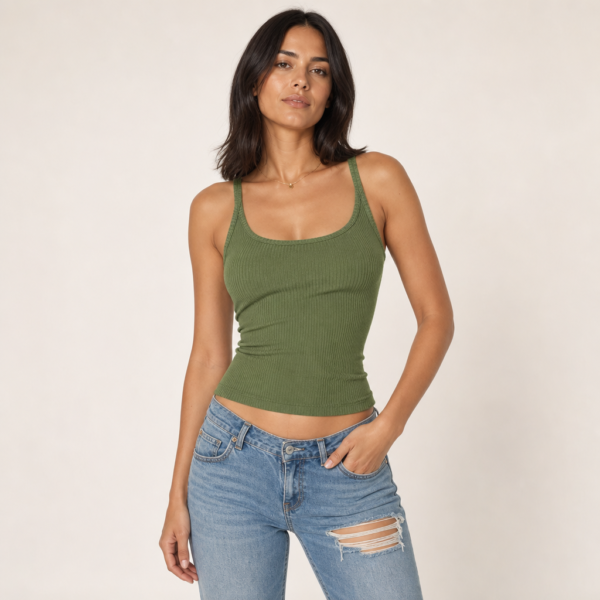
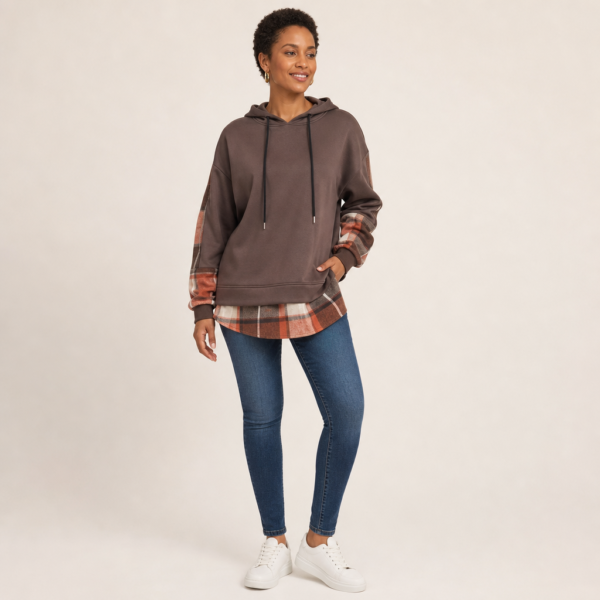
Learning how to style accessories for oversized outfits is mostly a question of proportion. Loose clothing already creates visual volume, so the best accessories either give that volume a clear focal point or add a little structure without making the outfit feel crowded. You do not need to compensate for an oversized fit by adding lots of detail. In most cases, one strong accessory and one quieter supporting piece are enough.
Start by looking at the silhouette before choosing anything else. Ask where the outfit is widest, where it already has detail, and which area you want the eye to notice first. That makes it easier to decide whether a bag, hat, jewellery piece or footwear choice should blend in, add contrast or create definition.
How to style accessories for oversized outfits: start with scale
The size of an accessory changes how an oversized outfit reads. Very small accessories can disappear against a roomy hoodie, wide jacket or loose trouser shape, while several large accessories can make the whole look feel heavy. Aim for enough visual presence to register, without matching every oversized garment with an equally oversized extra.
Choose one anchor accessory
An anchor accessory is the piece that gives the outfit a clear point of attention. It could be a structured bag, a cap with a defined shape, a noticeable necklace or a pair of trainers with enough visual weight to balance wide trousers. Once that anchor is chosen, keep the rest simpler.
This works particularly well with oversized clothing because the silhouette already does much of the styling work. A relaxed outfit usually looks more considered when one detail leads and the others support it.
Match visual weight, not exact size
You do not need a huge accessory just because your clothes are loose. Think instead about visual weight. A compact bag with a firm shape can hold its own against a boxy jacket, while a slim but high-contrast necklace can stand out over a plain oversized tee. Shape, colour and placement can matter as much as physical size.
Match accessories to where the volume sits
Oversized outfits are easier to accessorise when you identify where the volume is concentrated. Use the table below as a starting point, then adjust for your own proportions and the specific garments you are wearing.
| Outfit shape | Accessory approach | What to watch |
|---|---|---|
| Oversized top with straighter bottoms | Use a cap, necklace or crossbody bag to frame the upper half | Avoid stacking several bulky details around the shoulders and chest |
| Wide trousers with a closer-fitting top | Use footwear with enough presence to balance the lower half | Very delicate shoes can make the trouser volume feel disconnected |
| Oversized top and wide trousers | Choose one structured accessory or a clear colour accent | Too many soft, slouchy accessories can remove definition from the whole look |
| Oversized outer layer | Keep accessories visible outside the layer, such as a bag worn across it or headwear above it | Small details hidden underneath the jacket will have little impact |
Use placement to give a loose outfit more shape
Accessories are useful because they can create visual lines without changing the clothes themselves. Where you place them can make an oversized outfit feel taller, sharper or more balanced.
Crossbody bags can break up a wide torso
A crossbody strap creates a diagonal line across a loose top or jacket. That can stop a large block of fabric from reading as one uninterrupted shape. If the outfit already has a large graphic, place the bag so it does not cover the part of the design you want to show.
Belts can change the silhouette completely
A belt is most useful when you actually want to introduce waist definition. Wearing one over a roomy shirt, dress or outer layer can turn a straight oversized shape into something more fitted through the middle. If you want to keep the relaxed silhouette, leave the waist uncinched and use other accessories instead.
Necklaces work best when the neckline gives them space
With a plain oversized tee or sweatshirt, a necklace can add detail without adding bulk. Consider the neckline and the graphic placement before choosing length. If the top is already busy, a quieter metal finish or a simpler chain is usually easier to integrate than several competing pieces.
Headwear can finish the upper silhouette
Caps and beanies are useful when the outfit feels bottom-heavy or when a large jacket makes the shoulders the widest part of the look. A defined shape at the top helps the outfit feel intentional from head to toe. Keep colour in mind, especially if the clothing already uses several tones.
Three repeatable oversized outfit formulas
1. Oversized hoodie, relaxed trousers, one clean accessory
Let the hoodie provide the volume. Add relaxed or straight trousers, then choose one accessory with a clear shape, such as a cap or compact crossbody bag. Keep footwear relatively simple if the hoodie has a strong graphic, or let the footwear carry more contrast if the clothing is plain.
2. Oversized tee, wide-leg bottoms, stronger footwear
When both the top and trousers are loose, the outfit benefits from a clear finishing point at the floor. Footwear with a more substantial profile can visually support the width of the trousers. Keep jewellery restrained so the outfit still has one obvious hierarchy.
3. Oversized jacket, simple base, visible bag
Wear a straightforward base layer under the jacket and let the outerwear set the silhouette. A bag worn across or outside the jacket can add structure and create a useful line through the volume. If you add headwear as well, repeat a colour already present in the outfit rather than introducing another unrelated shade.
Control colour before adding more accessories
Colour is one of the easiest ways to make accessories feel connected to oversized clothing. You have three reliable options: repeat a colour already in the outfit, use one deliberate contrast, or keep the accessory neutral.
- Repeat: pick up a smaller colour from a graphic, stripe or shoe detail and use it again in a hat or bag.
- Contrast: keep the clothing mostly neutral and let one accessory provide the accent colour.
- Neutralise: if the clothes already contain strong graphics or several colours, use black, grey, cream, brown or another quiet tone to avoid adding visual noise.
The aim is not to make every item match. It is to give the eye a reason to understand why the pieces belong together.
Buying accessories for an oversized wardrobe
When shopping, think about the clothes you already wear most often rather than buying an accessory for one specific outfit. A useful accessory should work across several silhouettes, colours and seasons.
- Check scale against your regular clothing. Picture the item next to your widest jacket, loosest hoodie or most relaxed trousers.
- Check where it sits. Bag strap length, hat shape and jewellery length can all change how an oversized silhouette is divided.
- Choose versatile colours first. If your wardrobe changes often, a neutral accessory may earn more wear than a highly specific colour.
- Look at the product information. Dimensions, fit notes and photographs are more useful than assuming two similarly named products will sit the same way.
For clothing fit, the Franks Size Guide advises using garment measurements and product-specific fit notes, with the individual product page taking priority. It also notes that an oversized fit is intentionally wider, so automatically sizing up is not necessary unless the product information recommends it. That matters when accessorising because the actual garment proportions determine how much visual weight the accessories need.
Common styling mistakes with oversized outfits
- Making every item oversized. An oversized outfit can work without every accessory being large. Mix scale so the silhouette has contrast.
- Adding accessories after the outfit is already busy. If the clothing has multiple graphics, textures or strong colours, remove rather than add.
- Ignoring placement. A good accessory can still look awkward if it covers the main graphic, sits at the widest point unnecessarily or interrupts the line of the outfit.
- Using too many focal points. Decide what should lead, then let the remaining details support it.
- Copying a styled look without checking your own proportions. The same bag length, hat shape or jewellery scale can sit differently depending on garment size and body proportions.
A simple rule to remember
Oversized clothing already creates presence. Accessories should organise that presence, not compete with it. Choose one anchor, pay attention to where the volume sits, and use colour or placement to connect the outfit. If you are deciding between adding one more accessory and leaving the look cleaner, the cleaner option is often the stronger one.
Frequently asked questions
What accessories look best with oversized outfits?
Accessories with a clear shape or deliberate placement usually work well, such as structured bags, caps, simple jewellery or footwear with enough visual weight to balance the clothing.
Should accessories be oversized too?
Not necessarily. Match the visual weight of the outfit rather than copying its size. One medium or structured accessory can balance oversized clothing without adding more bulk.
How many accessories should I wear with an oversized outfit?
There is no fixed number, but one anchor accessory plus one quieter supporting detail is a useful starting point. Add more only if each piece has a clear role.
Can a belt work with oversized clothing?
Yes, if you want to create waist definition. If you prefer to keep the loose silhouette intact, use placement, colour or a structured bag instead.
How do I stop an oversized outfit looking messy?
Control the silhouette with one clear focal point, repeat or limit colours, and avoid stacking several bulky accessories in the same area.