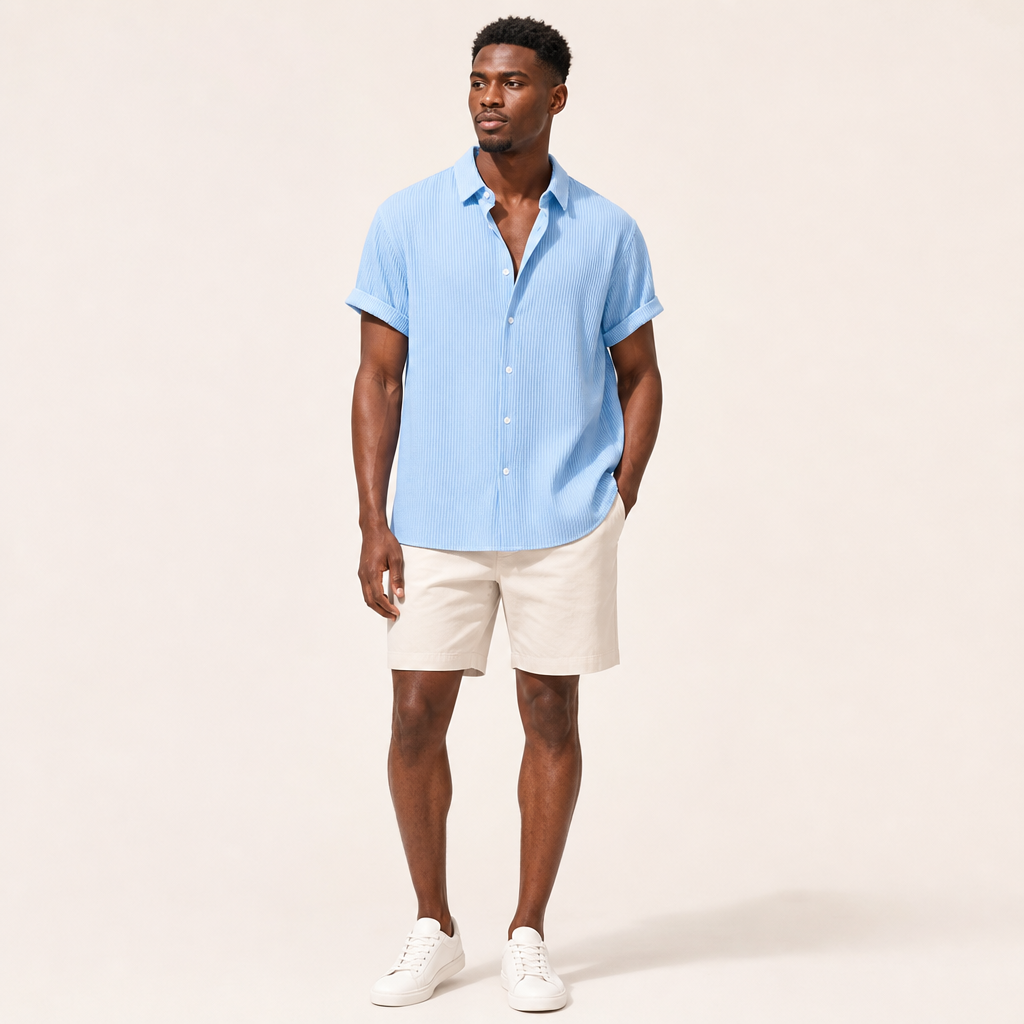
Relevant products from Franks Clothing


A minimal outfit can still have shape and interest. This guide to how to style dresses for oversized outfits uses controlled volume, a limited colour palette and deliberate footwear rather than extra accessories.
Think of how to style dresses for oversized outfits as a wardrobe decision rather than a trend exercise. Franks product pages remain the source of truth for current options and item-specific information, while the checks below help you judge what suits your rotation.
How to style dresses for oversized outfits starts with proportion
A dress creates most of the outfit in one piece, which makes neckline, waist position, hem and layering potential especially important. Choose where you want the visual weight, then keep the opposite half of the outfit cleaner. Neckline placement, shoulder or strap position, bust room, waist placement, hip ease and hem length are the fit points that most affect that balance.
Find the strongest silhouette for dresses
Start with midi dress + light outer layer + low-profile shoes. If it feels too bulky, reduce volume in either the top or bottom before changing colours or adding accessories.
Keep the colour plan deliberately small
Neutral dresses can be treated as a blank base: change the mood with texture, footwear and one colour accent rather than adding several competing accessories. For an easy everyday or minimal outfit, two main colours plus one small accent is usually enough to create contrast without visual noise.
Repeat, do not perfectly match
Repeating a colour once in footwear, a layer or a graphic often looks more natural than trying to match exact shades across the full outfit.
Three repeatable ways to style dresses
- Midi dress + light outer layer + low-profile shoes.
- Mini dress + simple knit or jacket + grounded footwear.
- Flowing dress + clean belt or compact layer + minimal accessories.
Save the formula that feels most natural, then vary one element at a time. A reliable outfit system should be easy to remember on a normal morning.
Add layers only after the base outfit works
Try the dresses with the base top and bottom first. Once the proportion is right, add a layer whose hem and shoulder shape support rather than hide the silhouette.
If removing the layer ruins the outfit, the base combination needs more work. Good everyday layering should leave both versions wearable.
Check the fit that makes styling easier
Compare bust, waist and length information with a dress you already like. Product-specific guidance matters because two dresses in the same labelled size can have very different intended silhouettes. Use the Franks size guide for the general method and the live product page for the specific item before ordering.
Avoid buying for the front-view photo only and not checking movement, back detail, hem length or how the neckline behaves with normal underwear. The best styling advice cannot rescue a piece whose intended fit does not suit how you want to wear it.
Keep the final decision practical
Good wardrobe decisions become easier when you separate preference from practicality. You can still choose a statement piece, but do it knowingly: understand the fit, know the outfits it supports and accept whether it will be an everyday item or an occasional one.
Frequently asked questions
What is the easiest starting point for styling dresses?
Choose the silhouette first. Put the main volume or visual interest in one area, then keep the rest of the outfit simpler before adding colour or accessories.
How can I make outfits with dresses feel less busy?
Limit the palette, remove one competing detail and use one clear focal point. Repeating a colour once is often enough to make the outfit feel connected.
Does fit matter more than trend when styling dresses?
For repeat wear, usually yes. A trend-led detail is easier to use when the underlying fit works with your body, footwear and the proportions already in your wardrobe.