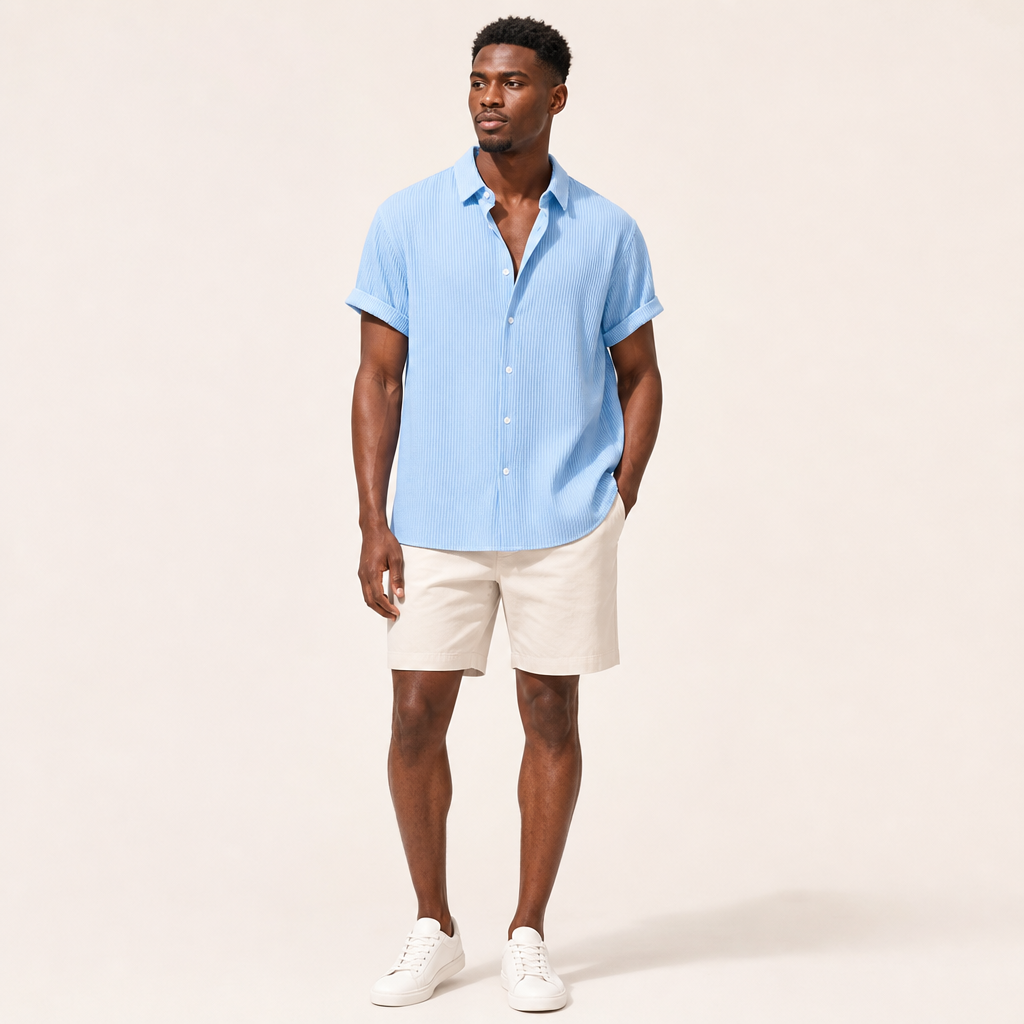
Relevant products from Franks Clothing

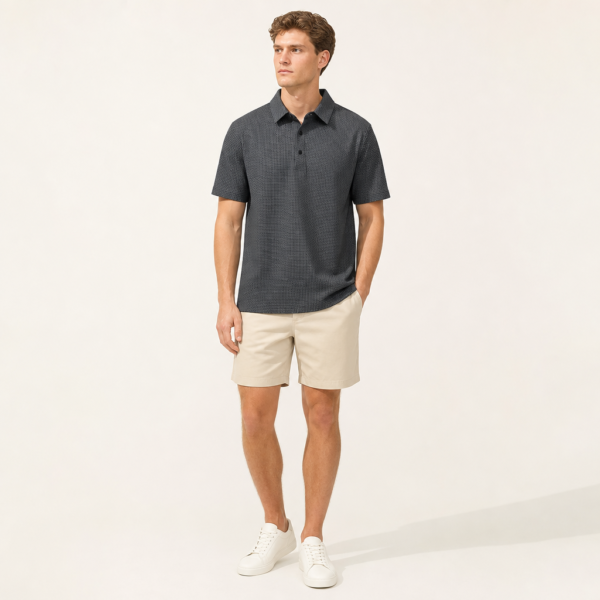
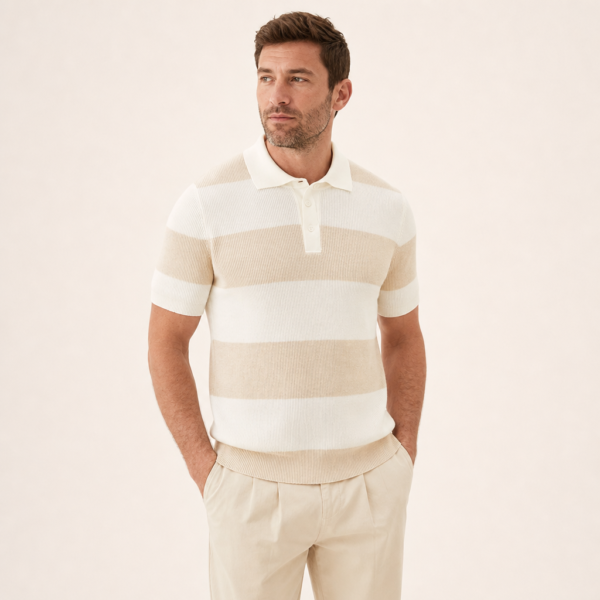

A good how to style polos for everyday wear decision should survive beyond the first styled look. Check how the piece works with your usual shoes, outer layers and bottoms before deciding it deserves space in your rotation.
how to style polos for everyday wear: use footwear to control visual weight
Footwear changes the visual weight of the whole outfit. Chunkier shoes can support wider or longer silhouettes, while lower-profile trainers or cleaner shoes can stop a fuller garment from feeling too heavy.
Match the shoe to the intended setting as well as the shape. For walking-heavy days, travel or festivals, practical comfort should be part of the styling decision rather than an afterthought.
Plan the outfit for temperature changes
Layering works best when each layer has a distinct length or function. Avoid stacking several bulky pieces at the same point of the body. When using polos in a layered outfit, leave enough room for the garment underneath to sit naturally without pulling or bunching.
For changeable weather, build from the lightest useful base and add the layer that is easiest to remove. That keeps the outfit adaptable without depending on one very heavy piece.
Dress for the whole occasion, not the first photo
For everyday wear, think about the whole day rather than the first ten minutes. Your chosen polo should handle the expected movement, temperature changes and level of formality without constant adjustment.
Build one fallback option into the outfit. That might be a removable layer, a compact bag or shoes you know you can wear for longer periods. Practical choices make styling more convincing, not less.
Let silhouette do more of the styling work
Proportion determines whether an outfit built around polos looks deliberate. If your chosen piece is wide or long, give the rest of the outfit a clearer line through a shorter layer, a cleaner waistband or more streamlined footwear. If it is close-fitting, you can add volume elsewhere without losing shape.
Look at the outfit from shoulder to shoe rather than judging one garment in isolation. The strongest combinations usually have one main source of volume and one clear visual anchor.
Keep one fallback combination
Save one simple combination you know works. It gives you a reliable route when the more experimental version feels too busy.
Run the three-outfit wardrobe test
Before buying polos, name three pieces you already own that would work with the item you are considering. If you cannot get beyond one obvious outfit, it may be too dependent on extra purchases.
- One everyday combination you could wear without planning.
- One layered version for a change in temperature.
- One slightly sharper or more expressive version for a different setting.
This simple test measures wardrobe usefulness rather than novelty.
Keep one fallback combination
Save one simple combination you know works. It gives you a reliable route when the more experimental version feels too busy.
A five-point buying check
- Does the intended fit match the outfit you want?
- Can you name at least three realistic combinations?
- Have you checked the current product page rather than relying on old information?
- Will the piece work with the shoes and outer layer you already use?
- Does it solve a genuine wardrobe gap?
Frequently asked questions
What is the easiest way to start with how to style polos for everyday wear?
Start with the silhouette and wardrobe role you need, then build the outfit around proportion, colour and the pieces you already own.
How many outfits should a new polo work with?
There is no fixed rule, but being able to name three realistic combinations is a useful test of wardrobe versatility.
How can I make a polo easier to style?
Decide whether the piece is the outfit anchor or a supporting layer, then keep competing volume, colour or detail under control.