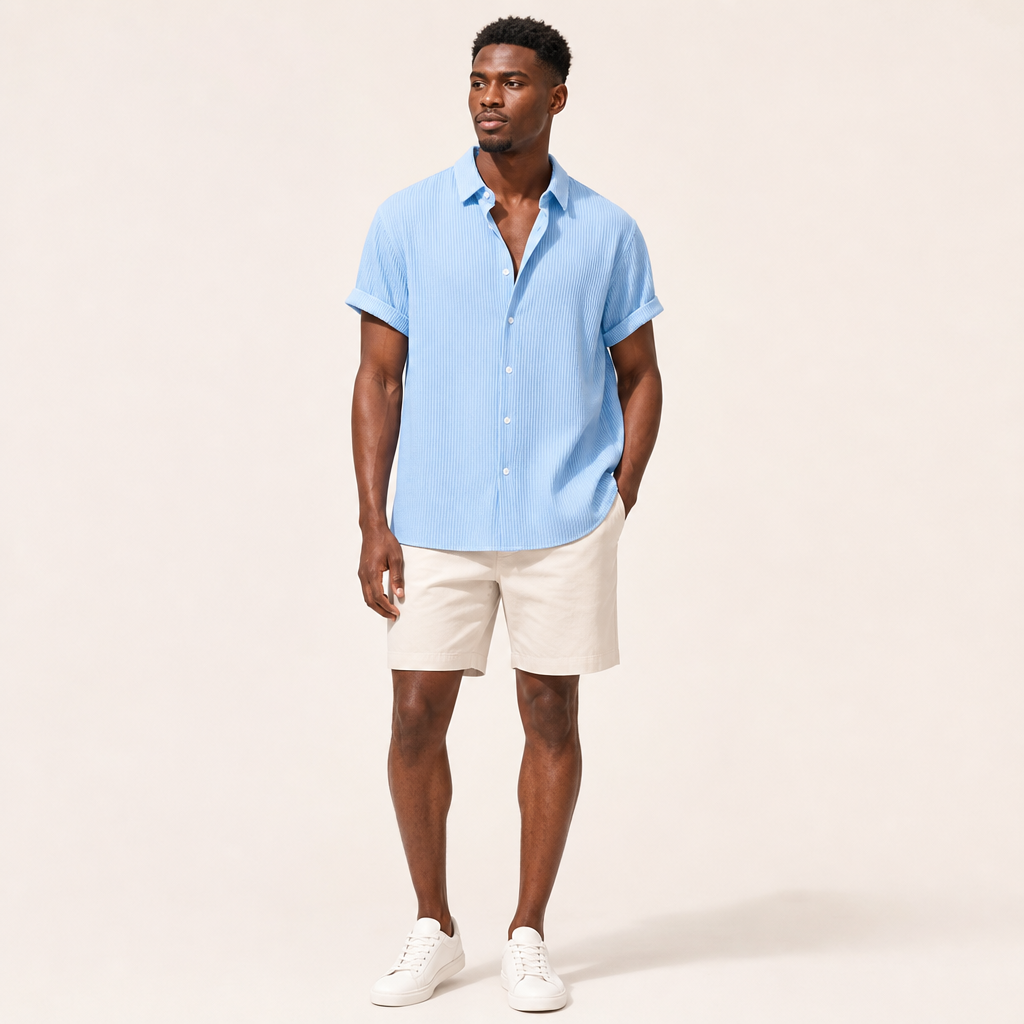
Relevant products from Franks Clothing
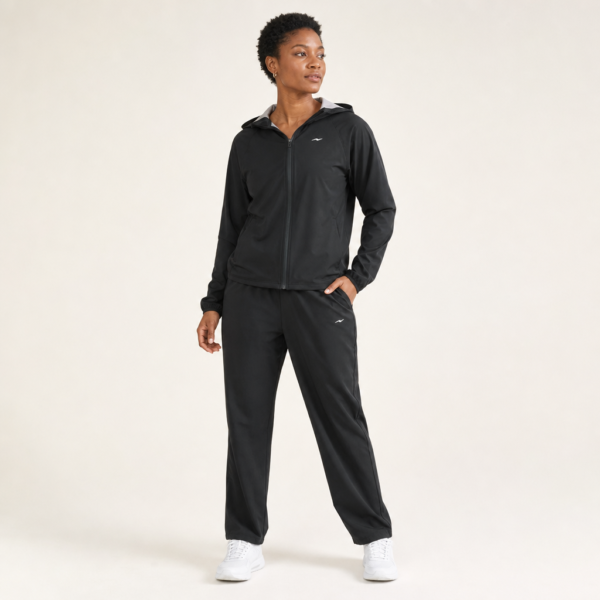


Women's Textured Stand Collar Button Front Coat With Pockets

Women's Long Double-Breasted Lapel Coat with Flap Pockets
How to wear outerwear in winter works best when every choice has a reason. Use the garment as either the outfit anchor, a supporting layer or a quiet basic, then build the rest around that role.
how to wear outerwear in winter: give detailed pieces a quieter neighbour
When styling outerwear, decide whether the item should blend into the palette or create contrast. Tonal outfits use nearby shades for a quieter effect; higher-contrast combinations make the focal garment more prominent.
If the item already has print, texture or strong detailing, keep at least one neighbouring piece visually simple. This prevents several elements from competing for attention at once.
Get the proportions right from shoulder to shoe
Proportion determines whether an outfit built around outerwear looks deliberate. If your chosen piece is wide or long, give the rest of the outfit a clearer line through a shorter layer, a cleaner waistband or more streamlined footwear. If it is close-fitting, you can add volume elsewhere without losing shape.
Look at the outfit from shoulder to shoe rather than judging one garment in isolation. The strongest combinations usually have one main source of volume and one clear visual anchor.
Use the piece as part of a seasonal layering plan
Winter dressing is mostly about managing temperature and changing conditions. Use outerwear as one part of a system rather than expecting a single item to solve every weather problem.
Keep the base layer comfortable for the conditions, then add or remove insulation as needed. If weather resistance matters, check the live product information rather than assuming it from the garment’s appearance.
Plan the outfit for temperature changes
Layering works best when each layer has a distinct length or function. Avoid stacking several bulky pieces at the same point of the body. When using outerwear in a layered outfit, leave enough room for the garment underneath to sit naturally without pulling or bunching.
For changeable weather, build from the lightest useful base and add the layer that is easiest to remove. That keeps the outfit adaptable without depending on one very heavy piece.
Verify current product information before checkout
Use the live product page as the final source of truth. Check the current images, available options, displayed price, measurements or fit notes, and any product-specific information before checkout. Those details can change, so do not rely on an older article or a saved screenshot.
For outerwear, pay particular attention to images that show overall shape and length. These often tell you more about styling potential than a close-up detail shot.
Keep one fallback combination
Save one simple combination you know works. It gives you a reliable route when the more experimental version feels too busy.
Make the last decision with your real wardrobe
Lay out the complete outfit, including shoes and the layer or bag you are most likely to add. If the outfit still makes sense with the outerwear piece, it is a stronger choice than one that only works in isolation.
Frequently asked questions
What should I check before buying outerwear online?
Check current product images, available options, displayed price, sizing information and any product-specific details on the live page.
How can I make a outerwear piece easier to style?
Decide whether the piece is the outfit anchor or a supporting layer, then keep competing volume, colour or detail under control.
How do I choose the right fit for a outerwear piece?
Compare live product measurements and fit notes with a similar garment that already fits the way you prefer.