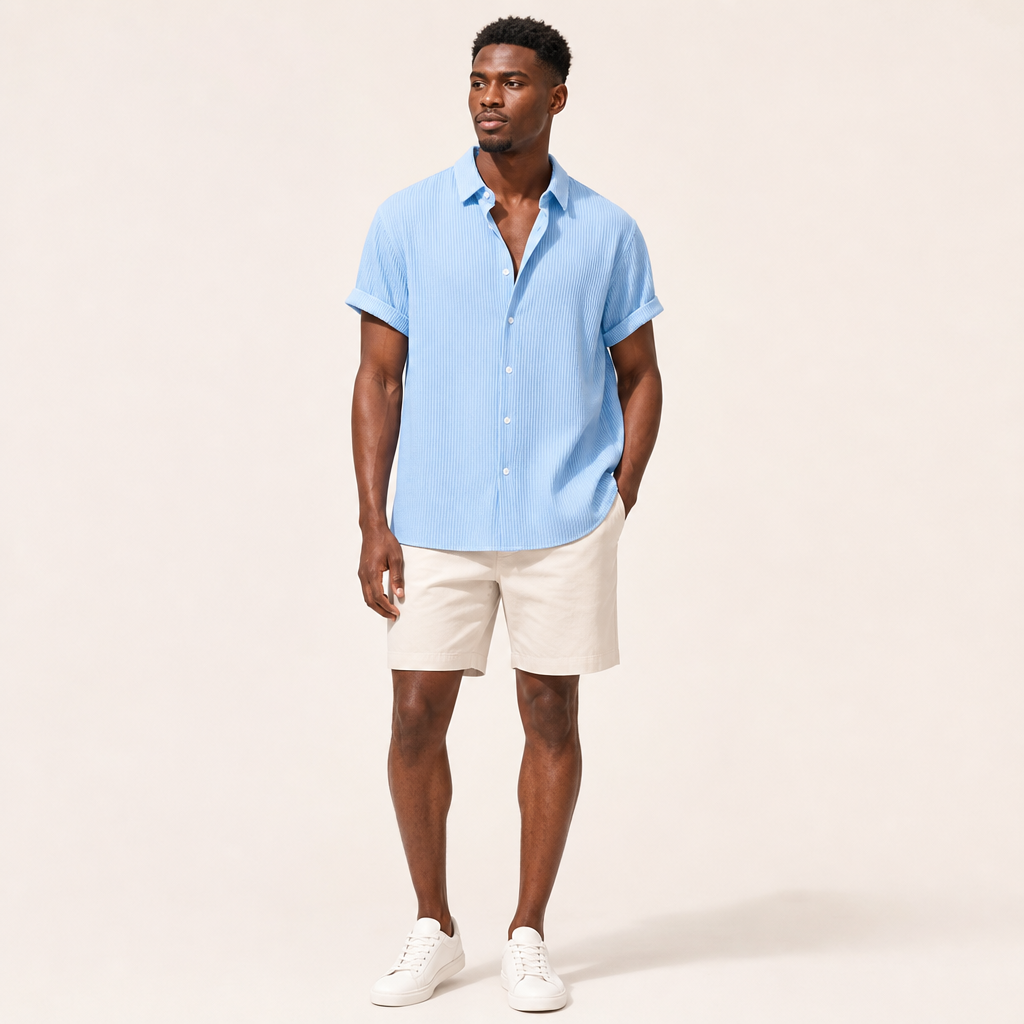
Relevant products from Franks Clothing

Women's Floral V-Neck Puff Sleeve Elastic Waist Mini Dress


Shopping for what goes with cream dresses becomes much clearer once you separate appearance from function. A strong choice should look right, fit the intended silhouette and combine easily with the rest of your rotation.
what goes with cream dresses: make the item earn its place in your rotation
Before buying dresses, name three pieces you already own that would work with the item you are considering. If you cannot get beyond one obvious outfit, it may be too dependent on extra purchases.
- One everyday combination you could wear without planning.
- One layered version for a change in temperature.
- One slightly sharper or more expressive version for a different setting.
This simple test measures wardrobe usefulness rather than novelty.
Photograph the outfit once
A quick phone photo can make length and proportion easier to judge than a close mirror view, especially with oversized or wide silhouettes.
Limit the palette before adding more detail
When pairing cream dresses, choose one of three routes: stay tonal, add a neutral contrast, or introduce one controlled accent colour. Keeping the palette to two or three main colour families makes the outfit easier to read.
Texture can do some of the work that colour would otherwise need to do. Denim, knit, smooth jersey and structured outerwear can create separation even when the shades are close.
Balance volume across the whole outfit
Proportion determines whether an outfit built around dresses looks deliberate. If your chosen piece is wide or long, give the rest of the outfit a clearer line through a shorter layer, a cleaner waistband or more streamlined footwear. If it is close-fitting, you can add volume elsewhere without losing shape.
Look at the outfit from shoulder to shoe rather than judging one garment in isolation. The strongest combinations usually have one main source of volume and one clear visual anchor.
Let footwear set the final proportion
Footwear changes the visual weight of the whole outfit. Chunkier shoes can support wider or longer silhouettes, while lower-profile trainers or cleaner shoes can stop a fuller garment from feeling too heavy.
Match the shoe to the intended setting as well as the shape. For walking-heavy days, travel or festivals, practical comfort should be part of the styling decision rather than an afterthought.
Check current options rather than relying on old information
Use the live product page as the final source of truth. Check the current images, available options, displayed price, measurements or fit notes, and any product-specific information before checkout. Those details can change, so do not rely on an older article or a saved screenshot.
For dresses, pay particular attention to images that show overall shape and length. These often tell you more about styling potential than a close-up detail shot.
Use one outfit anchor
Choose the piece that should attract attention, then let the other garments support it rather than compete with it.
Use practicality as the final tie-breaker
Lay out the complete outfit, including shoes and the layer or bag you are most likely to add. If the outfit still makes sense with the dress, it is a stronger choice than one that only works in isolation.
Frequently asked questions
What is the easiest way to start with what goes with cream dresses?
Start with the silhouette and wardrobe role you need, then build the outfit around proportion, colour and the pieces you already own.
How do I choose the right fit for a dress?
Compare live product measurements and fit notes with a similar garment that already fits the way you prefer.
How many outfits should a new dress work with?
There is no fixed rule, but being able to name three realistic combinations is a useful test of wardrobe versatility.