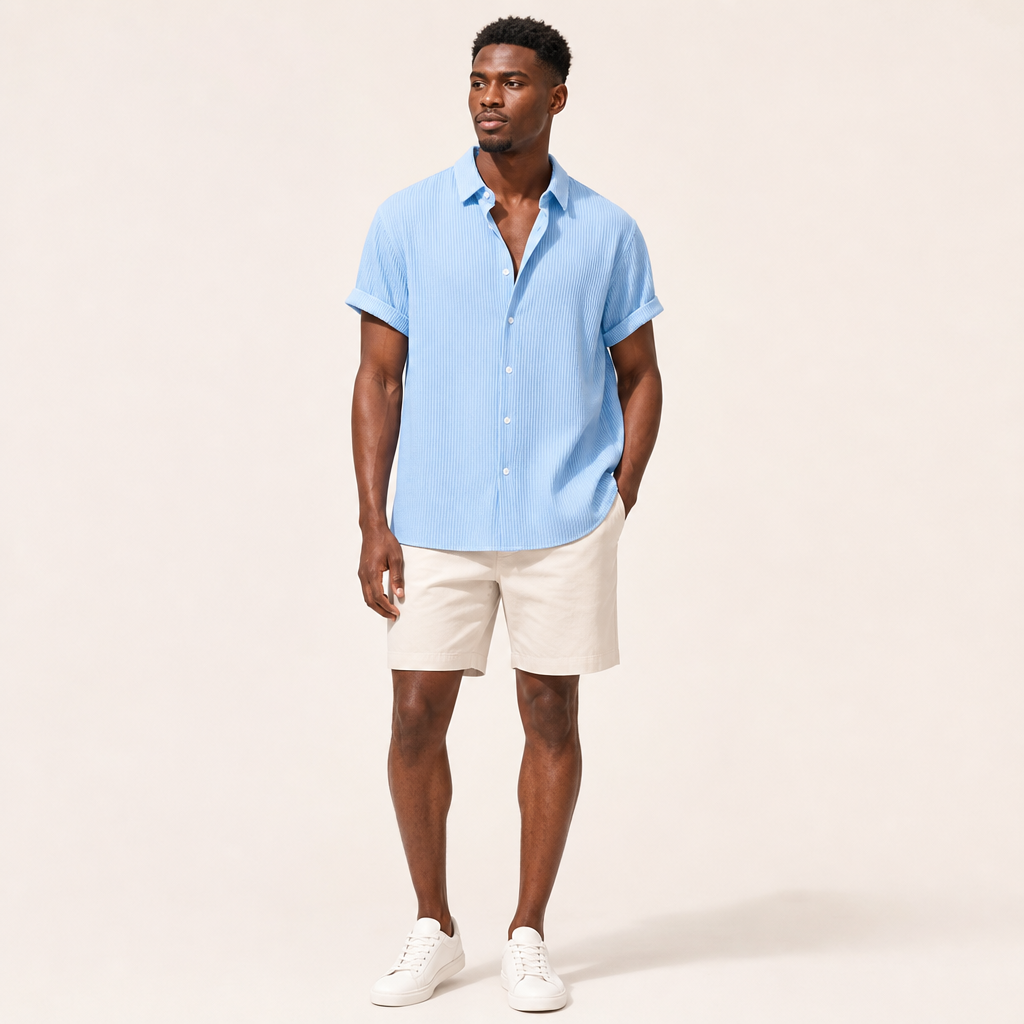
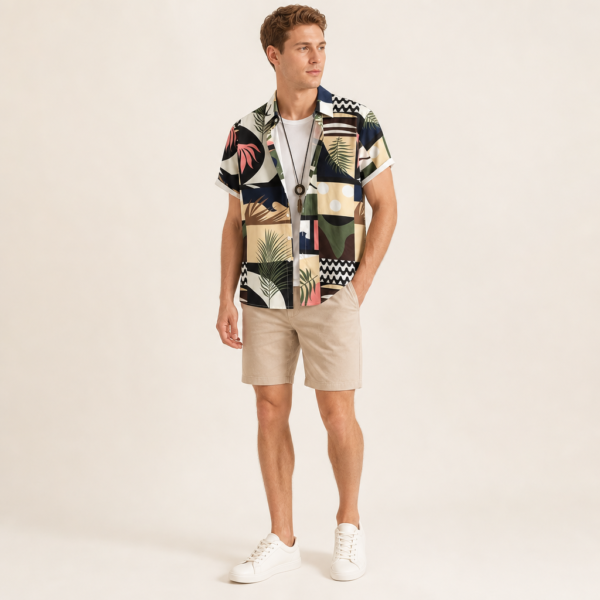
Relevant products from Franks Clothing



Men's Cotton Notched Collar Short-Sleeved Curved Hem T-Shirt
If you are searching for what shirts work best for transitional weather?, the useful answer starts with the role of shirts in your wardrobe. Instead of chasing a single outfit, this guide works through proportion, repeat wear and the practical checks that make the purchase easier to justify.
For transitional weather, the practical test is whether the outfit still works when comfort, movement, changing temperatures or a longer day become part of the brief.
What Shirts Work Best for Transitional Weather?: dress for conditions, not the month name
The useful shirts for transitional weather is one that can handle the temperature range you actually encounter. Think about base layer, mid-layer and outer layer roles, then choose the garment based on where it needs to sit in that system.
Use colour to bridge seasons
Mid-tone neutrals, denim shades and muted accents can move easily between seasons because they pair with both light and dark layers. Brighter colours can still work, but repeat them once elsewhere so they look intentional rather than isolated. With shirts, this matters most when it supports the transitional weather seasonal decision you are actually trying to build.
Prioritise adjustable layering
A flexible outfit lets you add or remove one layer without rebuilding the whole look. Keep the base relatively low-bulk, leave room at the shoulder and sleeve where another piece needs to sit, and avoid stacking several thick hems at the same point. Applied to shirts, the check should still make sense within your transitional weather seasonal decision and the clothes you already own.
Check the fit with the layers you will actually wear
Before ordering, compare the measurements on the live product page with a similar garment you already own. The Franks size guide explains how to measure chest width, body length, sleeves, waist and inside leg, while product-specific notes take priority. For this transitional weather seasonal decision, apply that point specifically to the shirts you are considering.
Choose by outfit frequency
Ask whether the shirts works on mild days, cooler days and under or over another layer. The more of those scenarios it can cover without compromising fit, the stronger its seasonal role.
Photograph three outfit options
If you already own a similar shirts, try three outfits and photograph them. Compare where the current piece falls short: colour, fit, length, condition or versatility. Shop to solve that specific problem rather than replacing it with another version that creates the same limitation. Keep the same check tied to the transitional weather seasonal decision rather than treating every shirts option as interchangeable.
Avoid solving a one-week weather problem
Keep the decision grounded in your own rotation. If the shirts works with at least two bottoms, two layers and more than one pair of shoes you already own, it has a realistic chance of becoming a repeat-wear piece. In this transitional weather seasonal decision, that gives the shirts a clearer role in the final outfit.
Frequently asked questions
What should I prioritise in shirts for transitional weather?
Prioritise layer compatibility, realistic temperature needs and the product information that confirms the garment suits the role you need it to play.
How should shirts fit for this guide?
The right fit depends on the intended silhouette. Compare live product measurements with a similar garment that already fits the way you prefer.
What product details matter most for shirts in transitional weather?
Do not infer warmth, weight, lining or weather resistance from the category name. Use only the details shown on the current product page.