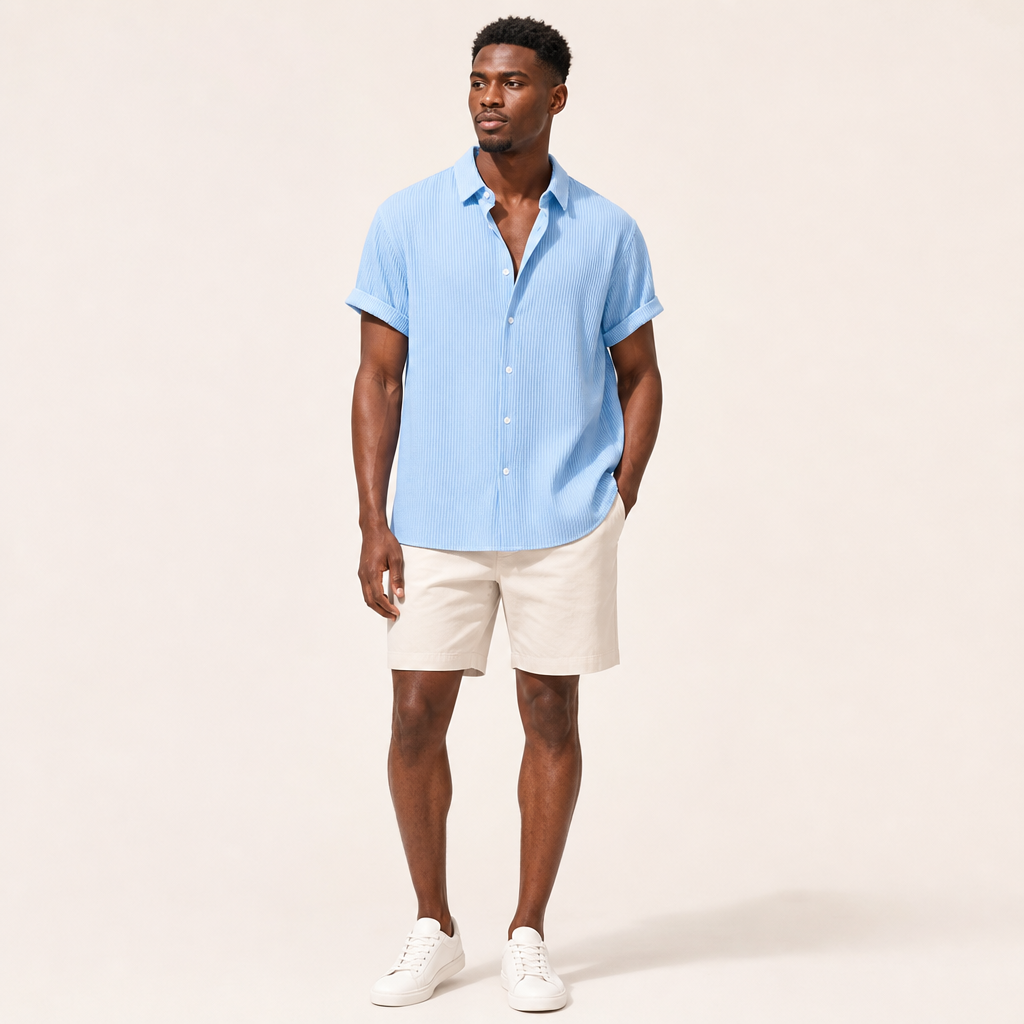
Relevant products from Franks Clothing
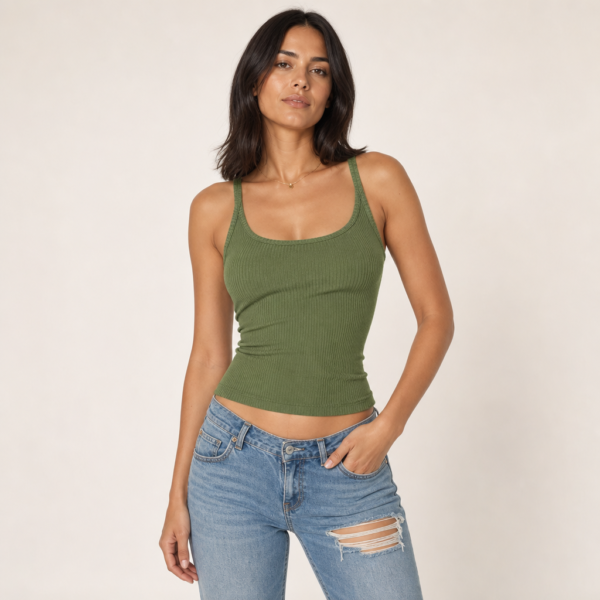

Unisex Padded Utility Vest with Adjustable Straps and Zip Pockets

Women’s Three-Piece Textured Crop Vest, Shorts and Cardigan Set
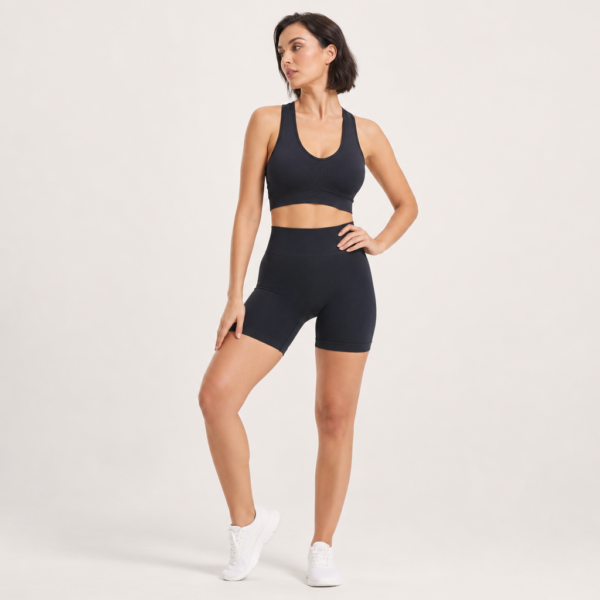
Before buying around what vests work best for spring, identify the silhouette you want to create. That one decision will guide length, volume, colour contrast and the amount of detail the outfit can carry.
what vests work best for spring: leave enough room for the layer underneath
Layering works best when each layer has a distinct length or function. Avoid stacking several bulky pieces at the same point of the body. When using vests in a layered outfit, leave enough room for the garment underneath to sit naturally without pulling or bunching.
For changeable weather, build from the lightest useful base and add the layer that is easiest to remove. That keeps the outfit adaptable without depending on one very heavy piece.
Build a seasonal system around removable layers
Spring dressing is mostly about managing temperature and changing conditions. Use vests as one part of a system rather than expecting a single item to solve every weather problem.
Keep the base layer comfortable for the conditions, then add or remove insulation as needed. If weather resistance matters, check the live product information rather than assuming it from the garment’s appearance.
Keep one fallback combination
Save one simple combination you know works. It gives you a reliable route when the more experimental version feels too busy.
Check the live measurements before choosing a size
Fit is easier to judge when you compare measurements rather than relying on a size label alone. When shopping for vests, use a similar garment you already like as the reference point, then compare the measurements and fit notes shown on the live product page.
Franks’ size guide recommends measuring a comparable garment flat and treating product-specific information as the priority. If you want a relaxed or oversized result, allow for that intentionally instead of automatically sizing up.
Test versatility against clothes you already own
Before buying vests, name three pieces you already own that would work with the item you are considering. If you cannot get beyond one obvious outfit, it may be too dependent on extra purchases.
- One everyday combination you could wear without planning.
- One layered version for a change in temperature.
- One slightly sharper or more expressive version for a different setting.
This simple test measures wardrobe usefulness rather than novelty.
Read the product page like a buyer, not a browser
Use the live product page as the final source of truth. Check the current images, available options, displayed price, measurements or fit notes, and any product-specific information before checkout. Those details can change, so do not rely on an older article or a saved screenshot.
For vests, pay particular attention to images that show overall shape and length. These often tell you more about styling potential than a close-up detail shot.
Use one outfit anchor
Choose the piece that should attract attention, then let the other garments support it rather than compete with it.
A quick decision filter
- Does the intended fit match the outfit you want?
- Can you name at least three realistic combinations?
- Have you checked the current product page rather than relying on old information?
- Will the piece work with the shoes and outer layer you already use?
- Does it solve a genuine wardrobe gap?
Frequently asked questions
What should I check before buying vests online?
Check current product images, available options, displayed price, sizing information and any product-specific details on the live page.
How can I make a vest easier to style?
Decide whether the piece is the outfit anchor or a supporting layer, then keep competing volume, colour or detail under control.
How many outfits should a new vest work with?
There is no fixed rule, but being able to name three realistic combinations is a useful test of wardrobe versatility.