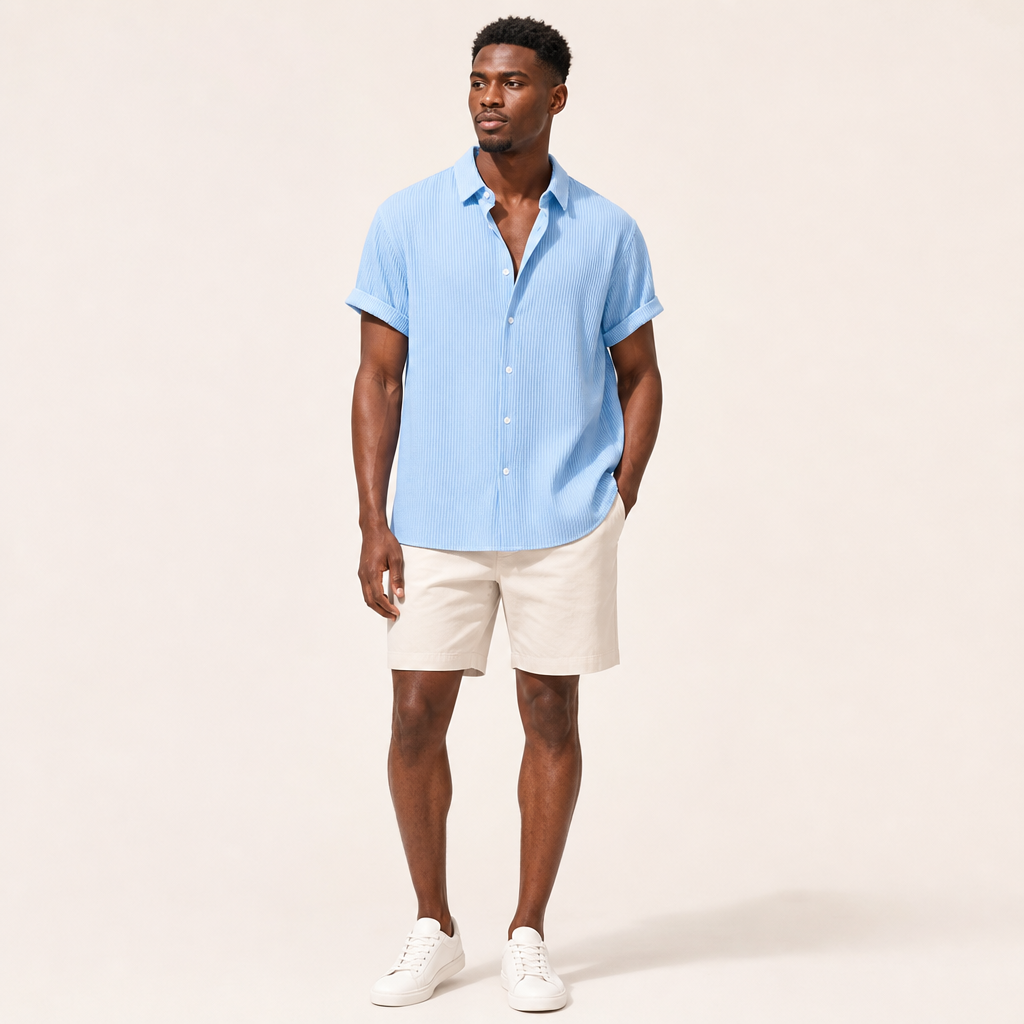
Relevant products from Franks Clothing

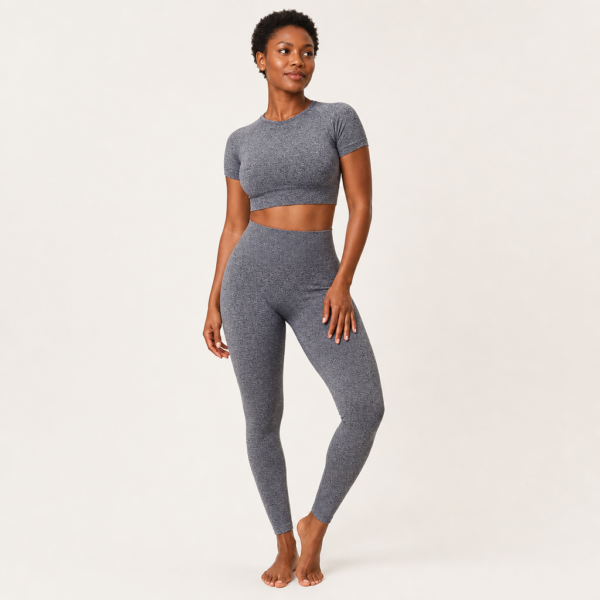
Women’s Seamless Textured Short Sleeve Activewear Set

Women’s Seamless Ribbed Activewear Top, Leggings or Set
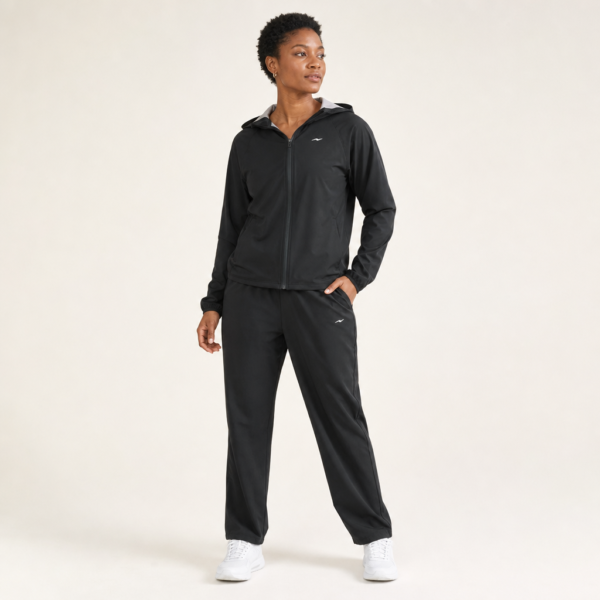
Colour is easiest to wear when it has a job. This guide to how to wear earth-tone bottoms shows how to use the chosen palette as an anchor, a supporting tone or a small accent rather than trying to match everything.
Think of how to wear earth-tone bottoms as a wardrobe decision rather than a trend exercise. Franks product pages remain the source of truth for current options and item-specific information, while the checks below help you judge what suits your rotation.
How to wear earth-tone bottoms without overmatching
Earth-tone bottoms such as olive, tan, chocolate and stone can anchor white, black, navy and muted colour without making the outfit feel busy. Start with one main colour decision, then use neutrals to give it space.
Choose the role of colour in bottoms
- Anchor: let the piece be the largest colour block.
- Bridge: choose a tone that connects your top and footwear.
- Accent: keep the main outfit neutral and let the colour appear in a smaller area.
Build colour choices from your existing wardrobe
Pull out your three most-worn tops, bottoms and footwear options. The most useful new pair of bottoms is usually the one that can connect to several of those pieces without requiring exact matching.
Photograph two or three combinations before you buy if that helps. A quick visual comparison often reveals whether the new colour is genuinely useful or simply attractive on its own.
Colour works differently at different scales
Because bottoms set the proportion of an outfit from the waist down and determine how tops, layers and footwear balance, the same colour can feel much stronger when it covers a larger area. If the bottoms occupy a big visual block, reduce competing colour elsewhere. If they are smaller, you can use more contrast.
Use contrast to sharpen the silhouette
Light and dark areas can visually divide an outfit. A strong contrast at the waist or hem makes that break more obvious, while similar tones create a longer continuous line.
Three pairing rules for bottoms
- Repeat one colour once rather than matching every piece.
- Use black, cream, grey, navy or denim-like neutrals to calm a busy pattern or strong tone.
- When two colours compete, make one clearly dominant by using it across the larger area.
Try the rule with straight-leg bottoms + relaxed knit + compact outer layer. The formula gives you a stable silhouette, so you can judge the colour decision separately.
Let texture carry interest when the palette is quiet
A neutral outfit does not have to look flat. Differences in surface, knit, wash or structure can create depth even when the colours are closely related. Choose those differences based on the product description rather than assuming a material from appearance alone.
Use the next pair of bottoms as a wardrobe test
The strongest option is not necessarily the most dramatic one. It is the piece that fits the intended silhouette, connects to clothes you already own and can be cared for realistically. Use the live product information to confirm the details at the point of purchase.
Frequently asked questions
How many colours should I wear with bottoms?
There is no strict limit, but two main colours plus one small accent is an easy starting point. It keeps the outfit clear while still allowing contrast.
Do I need to match bottoms exactly to my top or footwear?
No. Repeating a related tone once usually looks more natural than exact matching. Neutral space can make the chosen colour direction feel more intentional.
How can I make a strong colour in bottoms easier to wear?
Let it be the largest colour statement and keep the other large areas quieter. A simple silhouette and neutral supporting pieces reduce competition.